
The Kingdom of Thailand is preparing to welcome visitors from around the world for the Songkran Festival 2026, a vibrant and deeply meaningful celebration of the Thai New Year set to take place nationwide this April. The Tourism Authority of Thailand (TAT) has confirmed that festivities will proceed as planned across every region, blending age‑old traditions with lively water celebrations and cultural events that reflect the spirit of Thai heritage.
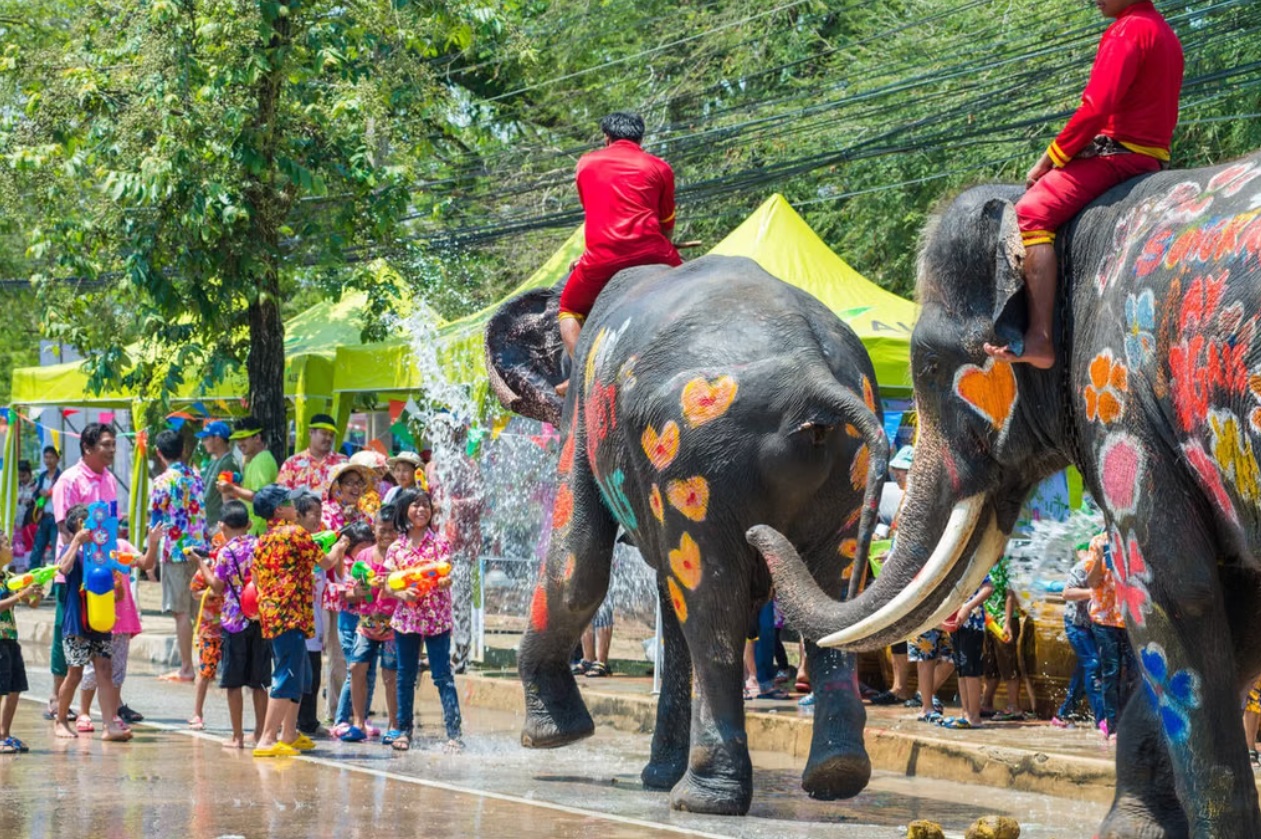
As one of Thailand’s most beloved cultural occasions, Songkran has been recognized by UNESCO as an Intangible Cultural Heritage of Humanity, a designation that honors its role in bringing communities together through rituals of renewal, respect and gratitude. Traditionally, the festival centers on merit‑making, temple visits and pouring water over Buddha images and the hands of elders — acts symbolizing purification and the washing away of bad luck.
TAT Governor Thapanee Kiatphaibool emphasized the country’s readiness to host the event, reassuring travelers that celebrations will unfold across Thailand’s cities, towns and rural communities. “We are aware that global events have created uncertainty for travelers,” she said, “but Songkran 2026 will take place as planned in every region of Thailand. The spirit of this festival and Thailand’s welcome remains unchanged.”
In Bangkok, the heart of the celebrations will feature a host of events from early April, including the Maha Songkran World Event at Benjakitti Park and riverside festivities at popular venues such as ICONSIAM and Asiatique. Silom and Siam Square are expected to turn into energetic water‑play zones, where both locals and visitors join in the joyful soaking traditions. Beyond the capital, historic cities like Chiang Mai and Ayutthaya will offer traditional ceremonies rooted in centuries‑old customs, while coastal provinces will mix beachside fun with local cultural experiences.
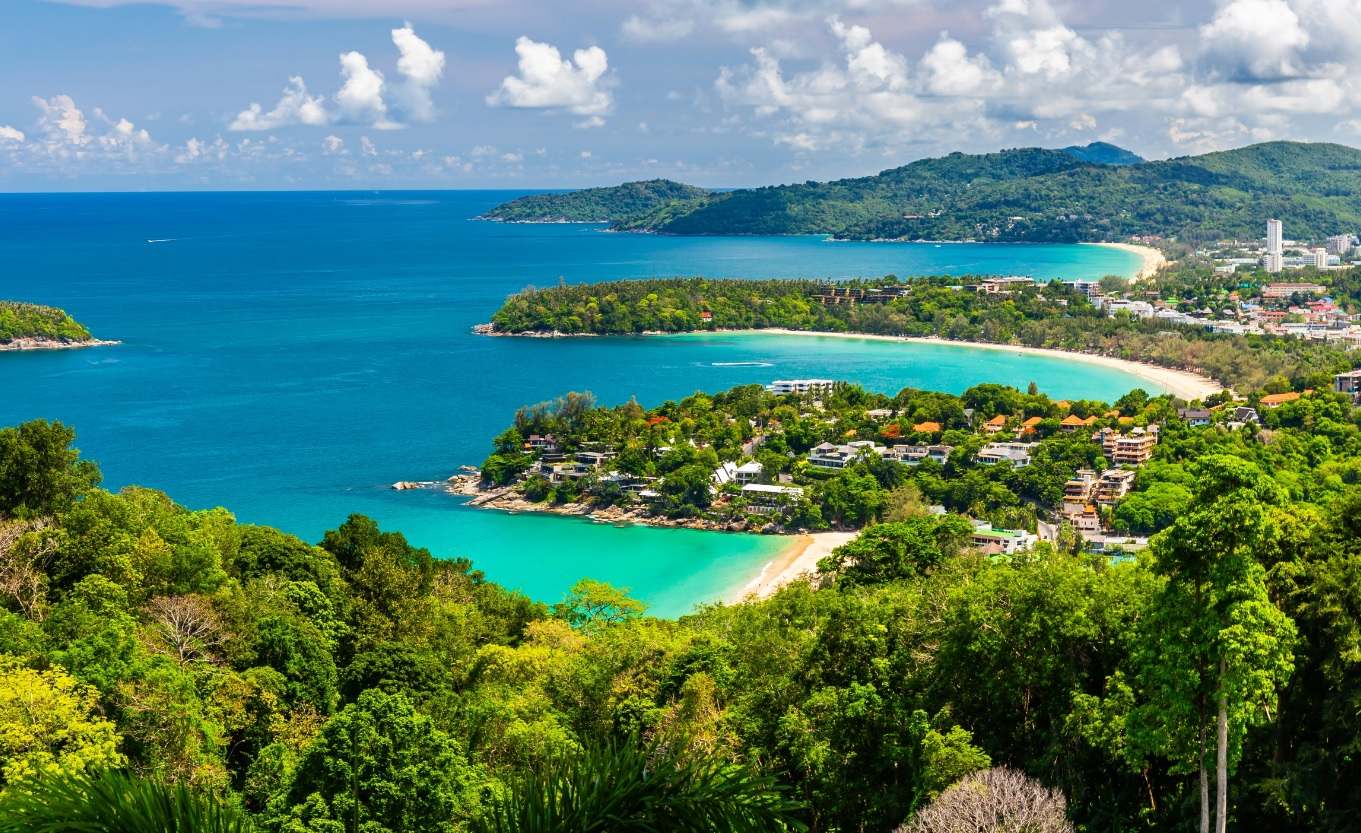
In Phuket, the celebrations will extend to lively beachfront gatherings at Patong Beach and cultural festivities along Dibuk Road, where water play and local traditions come together in a festive island atmosphere. And on Koh Samui, the festival will unfold across areas such as Bo Phut and Chaweng, where beachside celebrations and spirited street water fights bring the island to life throughout the holiday period.
Aside from its cultural significance, Songkran is poised to make a substantial economic impact. The Tourism Authority of Thailand projects that the festival could generate more than 30 billion baht in economic activity, drawing an estimated 500,000 foreign tourists and millions of domestic trips during the holiday period from April 11 to 15.
With its unique blend of spiritual reverence and joyful celebration, Thailand’s Songkran Festival continues to grow as a must‑experience event for global travelers and a proud expression of Thai culture.
–
Featured Image: WanderOn

The Luxury Signature represents and manages reservations of the finest villa rentals in Southeast Asia, specializing in some of the most stunning destinations including the islands of Phuket and Samui in Thailand, and Bali, Indonesia.