
Updated on November 21, 2025
Bali is known as one of the most charming and exotic island destination. It has everything to offer from the pristine beaches to fascinating cultural lifestyle and attractions. To list all of the amazing things about this attractive island, will be endless. So to name a few, these are the selection of the ten fun facts that will be useful for the vacationers. The island is also home to centuries-old temples tucked into verdant hillsides and traditional villages where craftsmanship and culture remain woven into daily life, offering a subtle yet enriching depth beyond its natural beauty.
As you explore further, Bali reveals little details that make the journey even more rewarding. Cooler highlands sit just a short drive from the coast, while mangrove areas and protected reefs show the island’s growing commitment to conservation. Even in its celebrated resort areas, you’re never far from local artisans, family-run cafés, or markets filled with hand-crafted pieces—small, authentic touches that make the experience feel naturally rich and welcoming.
1. Black Sand
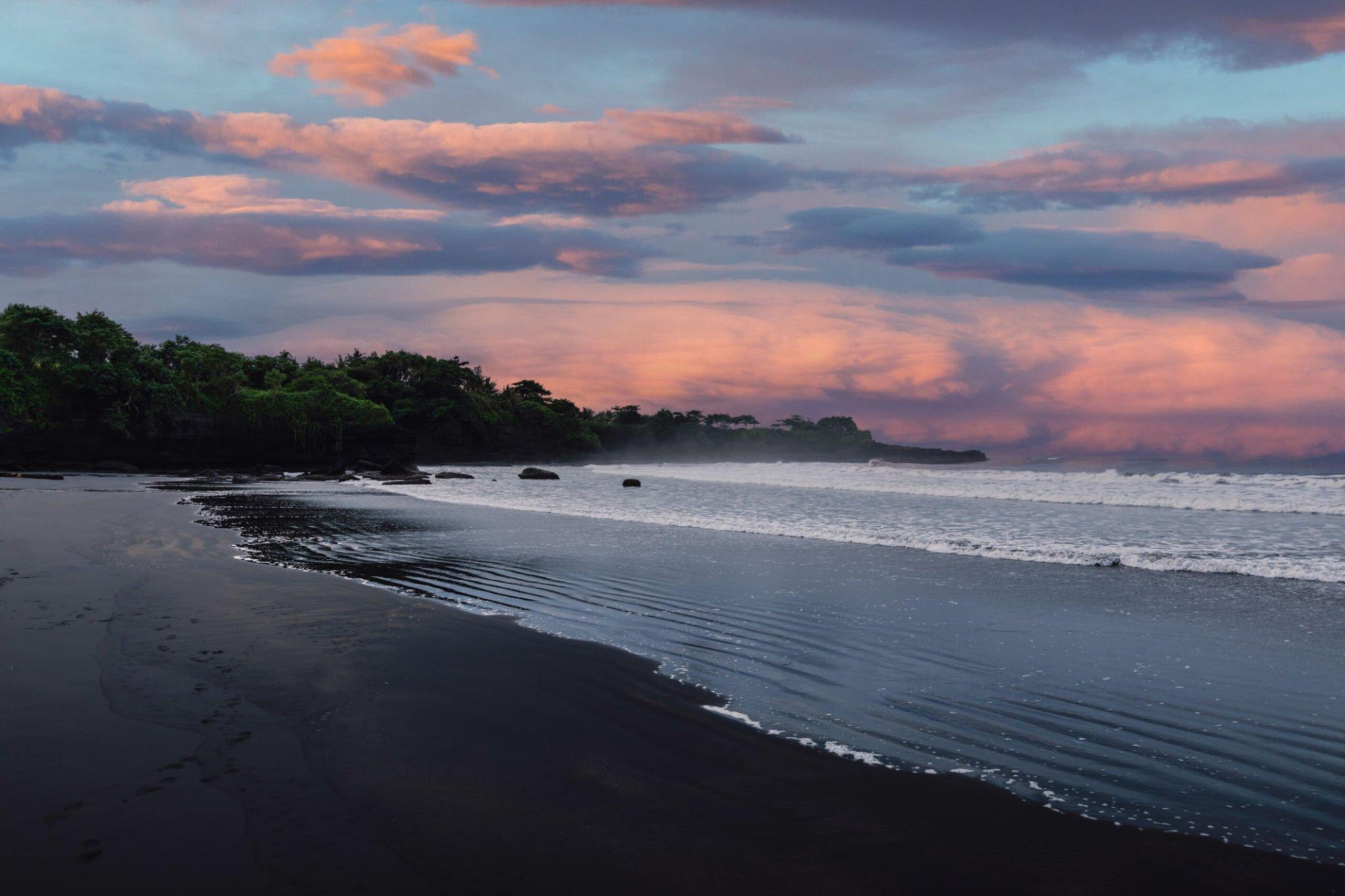
While Bali is widely known for its soft white-sand shores, many visitors are surprised to find striking black-sand beaches along the island’s northern and western coasts. These dark shores were formed by centuries of volcanic activity, giving the sand its rich, mineral-heavy color and a distinctive, dramatic beauty. Quiet coves, fishing villages, and coral-rich waters make these stretches compelling for travelers seeking something different from the usual coastal scene. Surfers frequent areas with stronger waves, while photographers and nature lovers are drawn to the beaches’ unique textures and panoramic views. The most well-known black-sand stretches include Lovina, Amed, and the villages around Mount Agung.
The beaches scattered all over Bali are among the peerless in the world. Bali also boasts a golden chain of magnificent black sands, especially on the north-western coastlines, with tranquil pristine coves, wedged in-between. The beaches serve as havens for tourists, fishermen and surfers who explore coral reefs, exotic fish species, and strong waves. The beaches lure visitors with residual shipwrecks, panoramic views and a vast scope of adventure and water activities.
2. 210 Days Calendar
Balinese people relied on a 210-day calendar, also known as the Pawukon Calendar. Still utilized for cultural and religious purposes, the Pawukon calendar guides ceremonial dates, temple anniversaries, and auspicious days for festivals or rituals. Although birthdays may be commonly expressed using the Western calendar, the Pawukon remains essential in planning community gatherings and spiritual observances throughout the island.
3. Nyepi Day
Nyepi day, also known as ‘day of silence’ is a unique celebration among the Bali people during which the buzzing activity of the islands is replaced by sweeping tranquility, with work, travel and noises being eschewed. The silence and meditation ushers in a new year. The purpose of Nyepi is introspection and purification, encouraging quiet reflection across the island. Even the airport closes for the day, highlighting the cultural significance of this annual observance. The calm that settles over Bali during Nyepi is unlike anywhere else and leaves a lasting impression on those who experience it firsthand.
4. Dolphins in Bali
 The waters around Lovina in North Bali have long been known as home to playful dolphins. Traditionally, local fishermen followed the movements of dolphins to locate schools of tuna—a practice that has introduced generations of Balinese to the rhythms of marine life. Today, guided sunrise boat trips offer travelers the chance to observe dolphins in their natural environment. The experience remains rooted in local tradition, blending marine conservation awareness with cultural storytelling from the fishermen who lead these excursions.
Lovina’s dolphin presence is strongest at sunrise due to seasonal feeding patterns. Tourism boards have been promoting ethical dolphin-viewing practices to reduce environmental impact.
5. Similar First Name
Names strike an oddity for the Balinese people as there are only four for men and women, first born-Wayan, second-Made, third-Nyoman and fourth-Ketut. A fifth kid starts fresh as a Wayan. Other people are given a series of nicknames while some stick with original names. The quirkiest aspects of Balinese culture is its naming convention. Most Balinese are named based on birth order, regardless of gender: the first child is Wayan, the second Made, the third Nyoman, and the fourth Ketut. The fifth child cycles back to Wayan. To distinguish individuals, Balinese people often use additional descriptors, nicknames, or personal titles. This naming system reflects communal identity and emphasizes a sense of belonging within Balinese society.
Some families may add honorifics such as “I” or “Ni” to indicate gender or status. The naming system comes from ancient Balinese caste and agrarian traditions, emphasizing social harmony and community order.
6. An Island Known by Many Names
The prehistoric Bali Island is one of Indonesia’s provinces and it is often described through poetic monikers that hint at its diverse character. It is called The Island of the Gods, a nod to its thousands of temples and deeply spiritual communities. Other names include The Island of Hinduism and The Island of Peace, each reflecting aspects of its cultural and natural identity. The island’s landscapes feature mountain ranges with peaks rising above 3,000 meters, creating a dramatic geography that contributes to Bali’s mythical allure and enduring appeal.
The island features three major volcanic ranges, contributing to its cooler highlands and fertile farming regions. Bali also carries the title “Morning of the World”, a poetic reference used by early explorers to describe its luminous sunrises and vibrant culture.
7. Two Active Volcanoes
Bali’s landscape is shaped by two active volcanoes: Mount Batur and Mount Agung. Mount Batur, located in the Kintamani region, is known for its breathtaking sunrise treks that reward hikers with expansive views over caldera lakes and surrounding mountains. Mount Batur last erupted in 2000, while Mount Agung’s most recent significant activity was in 2017–2019.
The Batur caldera contains Lake Batur, Bali’s largest freshwater lake and an important source of local agriculture. Mount Agung, the island’s highest peak, also holds deep spiritual significance and is home to Pura Besakih, Bali’s “Mother Temple.” While volcanic activity is closely monitored for safety, these peaks serve as important cultural landmarks and offer insights into Bali’s geological past.
8. World’s Most Expensive Coffee
Bali is among the Indonesian regions known for producing kopi luwak, often labeled the world’s most expensive coffee. This rare variety gains its distinctive flavor through an unusual process: coffee cherries are eaten and naturally fermented by the Asian palm civet before being collected, cleaned, and roasted. While kopi luwak is considered a delicacy by many coffee enthusiasts, ethical sourcing has become increasingly important, encouraging travelers to choose producers committed to responsible and humane practices.
Kopi luwak is regarded as the most expensive of all coffee globally. High prices are attributed to its unique approach in producing coffee. The coffee’s robust taste, flavor and unique properties are bait to coffee enthusiasts who want a unique brand. The coffee’s flavor profile is often described as smooth, earthy, and low-acid, appealing to niche specialty coffee drinkers.
9. Hinduism is the Main Religion
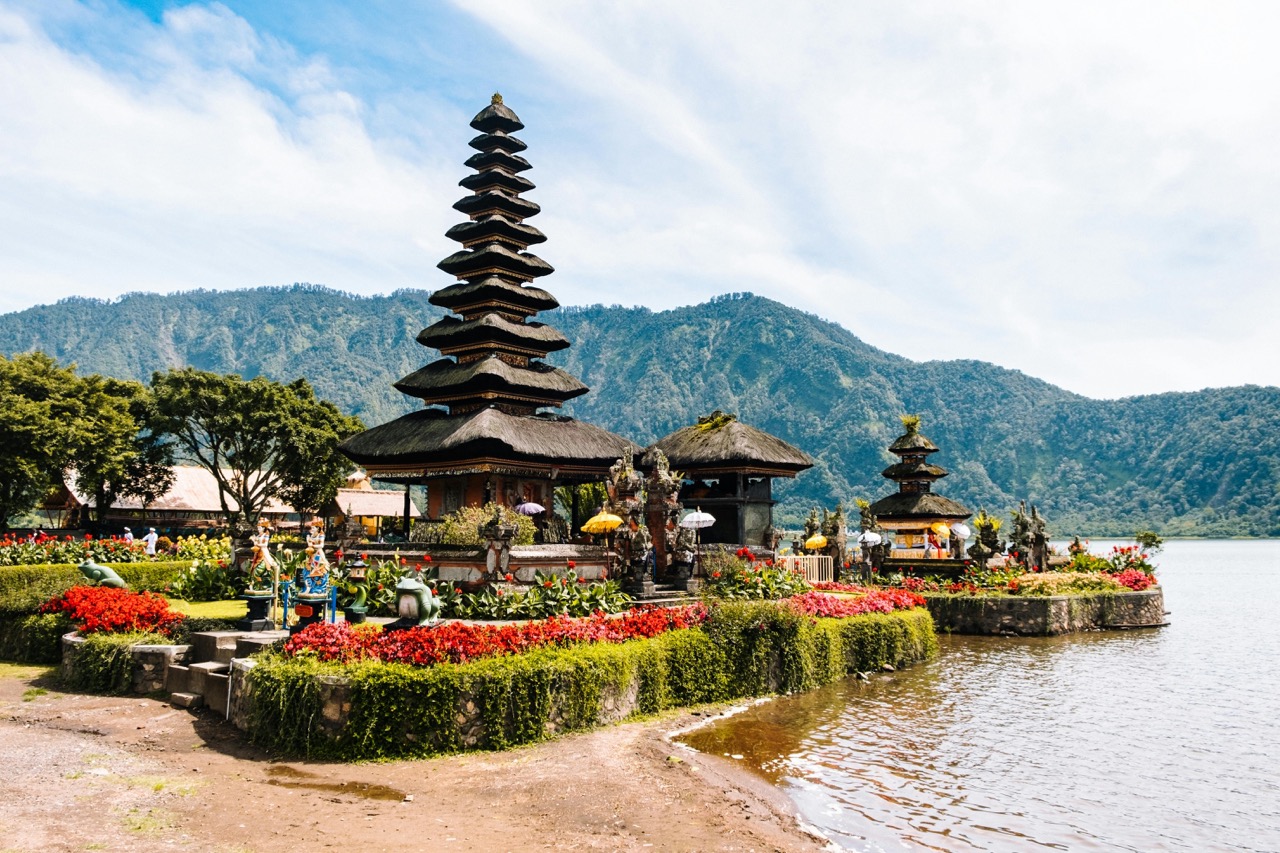
Unlike most of Indonesia, which is predominantly Muslim, Bali is home to a Hindu majority. Approximately, over 86% of Bali’s population practices Balinese Hinduism. Balinese Hinduism is unique—blending elements of animism, ancestor worship, and traditional Indian Hindu beliefs. This spiritual identity shapes everything from daily offerings placed on doorsteps to grand ceremonies held at temples across the island. Rituals often include beautifully crafted décor, music, dance performances, and communal gatherings that are integral to Balinese life. Many travelers also enjoy learning about sacred sites such as Uluwatu Temple or Tirta Empul, deepening their understanding of the island’s heritage. Daily offerings called canang sari are placed at shrines, storefronts, and homes, symbolizing gratitude and balance.
Startlingly, a substantial portion of the areas’ population embraces Hinduism. In the region, locals savor Babi Guling or roasted pig; these delicacies are sloughed off by Muslims elsewhere. If you would like to learn more about the popular temples in Bali, read more at the Top 10 Temples to Visit in Bali article.
10. Balinese Dance
The dances and dramatic performances of Balinese are an important part of Balinese religion and culture. The UNESCO-listed “Three Genres of Traditional Dance in Bali” include Wali (sacred), Bebali (semi-sacred), and Balih-balihan (entertainment). They signify the devotion of the locals to the gods. Balinese dance is more than a performance art—it is a central part of religious life and cultural storytelling. Dancers, adorned in intricate costumes, convey myths and legends through precise gestures, expressive eyes, and rhythmic movements.
Traditional dances are performed during temple ceremonies and community festivities, while select venues offer curated presentations for visitors. Each performance reflects devotion, history, and artistic excellence, making Balinese dance one of the island’s most captivating forms of cultural expression. The Legong, Barong, and Kecak dances are among the most internationally recognized forms, each tied to mythological epics and ritual traditions.
The Endless Wonder That Defines Bali
Bali’s natural wonders, spiritual traditions, and cultural quirks come together to create an island unlike any other. These facts offer just a glimpse of what makes Bali so compelling for travelers seeking beauty, meaning, and discovery in every corner. Whether you’re exploring ancient temples, wandering through artisan villages, or simply soaking in the island’s warm atmosphere, Bali promises an experience that lingers long after the journey ends.

The Luxury Signature represents and manages reservations of the finest villa rentals in Southeast Asia, specializing in some of the most stunning destinations including the islands of Phuket and Samui in Thailand, and Bali, Indonesia.