
 Premium Collection
  Signature Collection
  Deluxe Collection
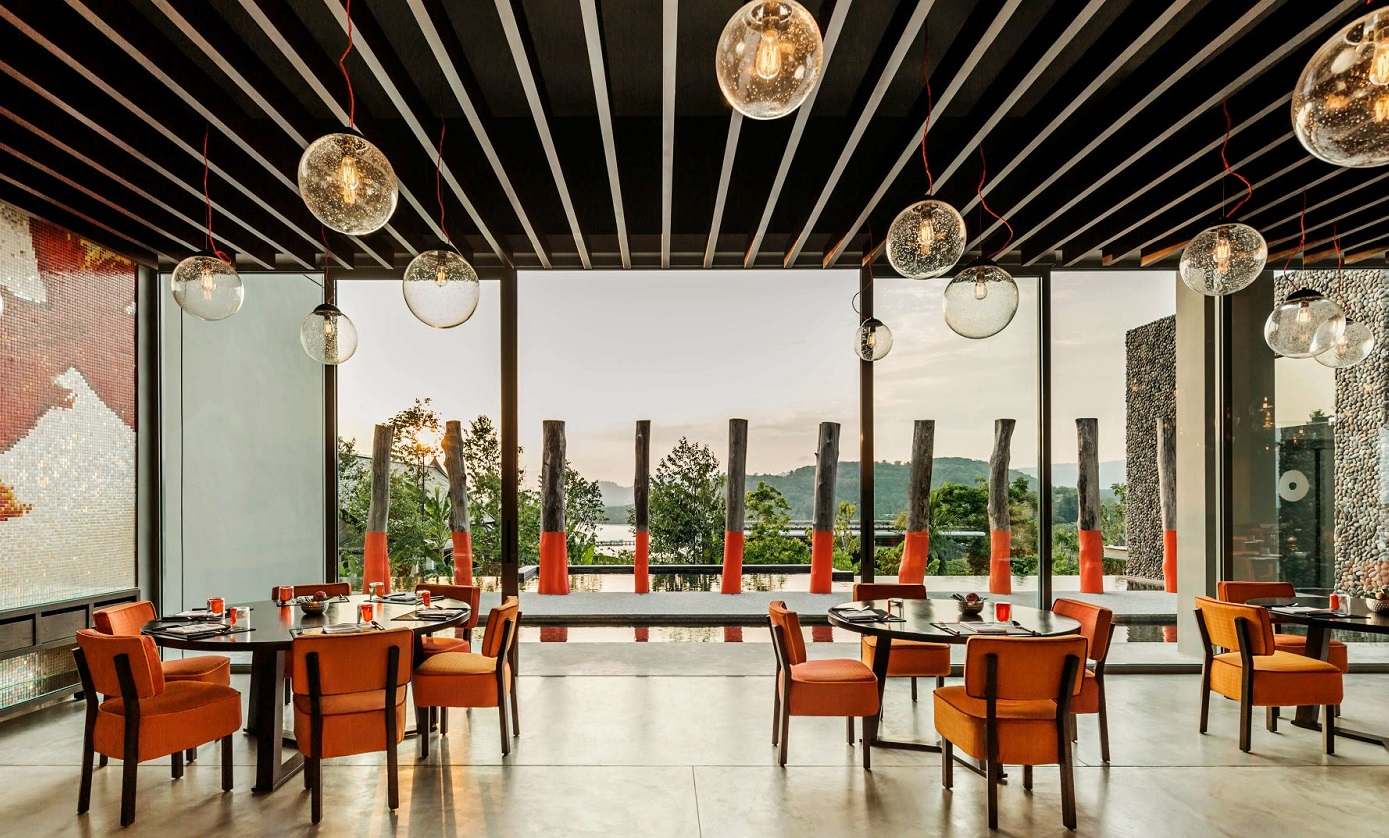
A trip to Thailand is often remembered through its delicious food. Street stalls, night markets, and family kitchens introduce visitors to flavors that feel both vibrant and deeply rooted in tradition. For many, the experience begins with simple dishes served along busy roads or near the shore. Yet as the journey continues, another side of Thai cuisine begins to reveal itself.
On the island of Phuket, the dining landscape tells a broader story. What starts with casual meals soon leads to refined dining rooms where chefs reinterpret traditional recipes with precision and care. The island has gradually become known not only for its beaches but also for the finest restaurants in the island, where Thai cuisine continues to evolve while staying true to its heritage.
How has Fine Dining in Phuket Evolved Over the Years
The culinary scene in Phuket has evolved steadily over the past decade, reflecting both global interest in Thai cuisine and the island’s own growing culinary ambition. As international travelers increasingly sought authentic yet elevated Thai experiences, chefs on the island recognized an opportunity to explore local ingredients, heritage recipes, and regional cooking techniques in greater depth. This shift was not just about creating beautiful plates but about crafting meals that told a story of place, culture, and tradition. Restaurants began developing refined tasting menus that highlighted seasonal produce, locally caught seafood, and the distinctive spices of southern Thailand. Presentation became an essential element, with attention given not only to flavor but also to the narrative conveyed through each dish. At the same time, sourcing from local producers and fishing communities reinforced a commitment to sustainability, freshness, and authenticity, reflecting a broader awareness of the connection between food and the environment.
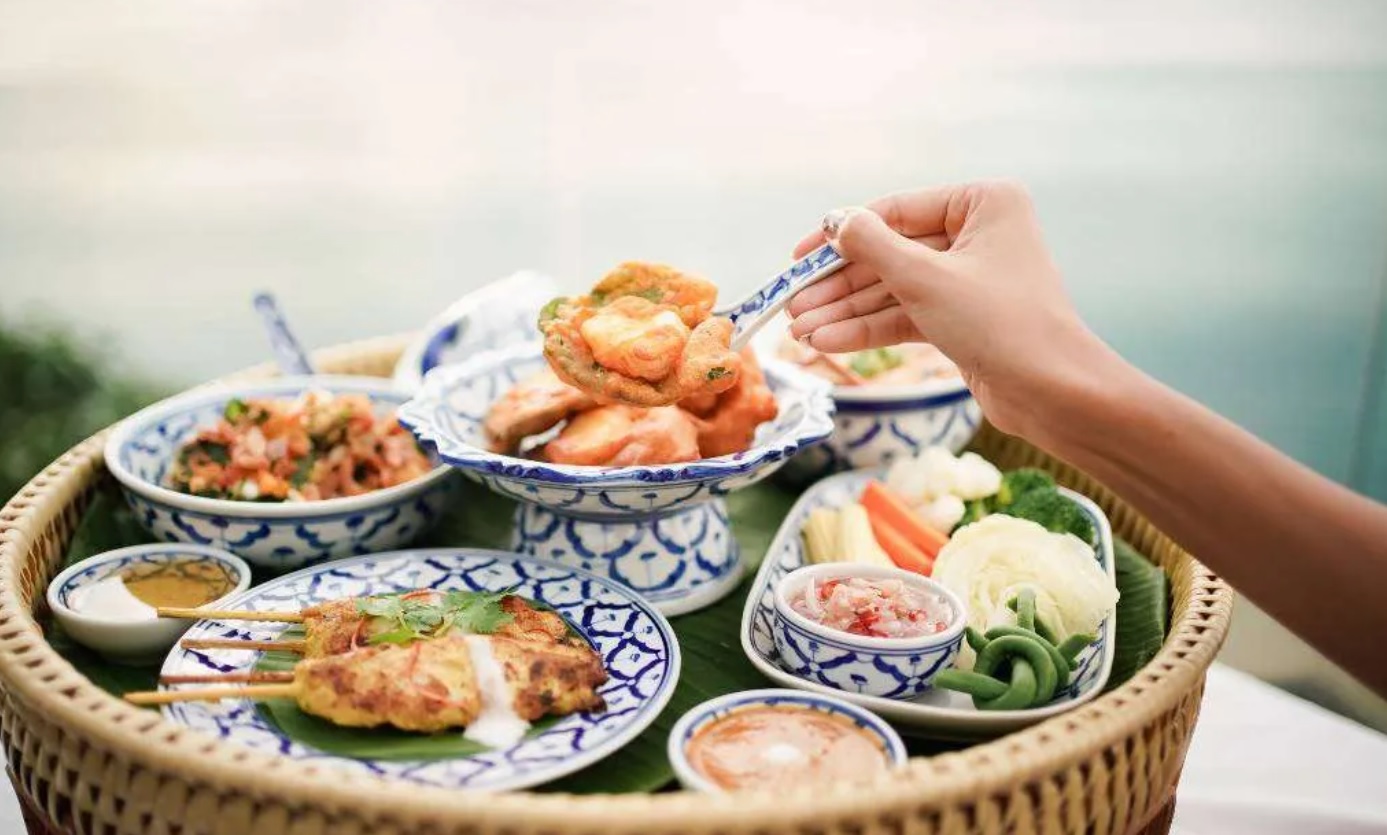
Recognition from international culinary guides accelerated this transformation. As restaurants began receiving awards, Michelin plates, and other distinctions, the momentum for innovation grew. Chefs were encouraged to experiment, combining traditional recipes with contemporary techniques and global influences while staying rooted in Thai flavors. This blend of heritage and creativity created a dining culture that felt both respectful of the past and forward-looking. Southern Thai ingredients, from aromatic herbs to indigenous seafood, became the foundation for menus that explored texture, spice, and balance in new ways, offering guests a deeper understanding of the region’s culinary identity.
This evolution has reshaped the role of dining on Phuket. Food is no longer a secondary consideration between sightseeing or beach visits; it is central to the travel experience. Each meal invites exploration and discovery, allowing visitors to engage with the island’s culture, traditions, and natural resources. Dining on the island has become part of the journey itself, offering a meaningful and memorable connection to Phuket beyond its landscapes and landmarks.
Restaurants Shaping the Island’s Culinary Identity
Several restaurants now represent the direction that fine dining on the island has taken. Each one reflects a different approach, yet all share a focus on honoring Thai cuisine while refining it for a modern audience.
Blue Elephant stands as one of the most recognizable institutions in Phuket. Housed within the historic Phra Pitak Chinpracha mansion, the restaurant combines royal Thai recipes with influences from Peranakan cuisine, offering a unique blend of tradition and creativity. The elegant setting reflects the island’s cultural heritage, while each dish is thoughtfully prepared to showcase the flavors, techniques, and ingredients that define Southern Thailand, creating a dining experience that connects history with contemporary fine dining.
In Cherngtalay, Suay offers another interpretation of Thai cuisine under the leadership of “Iron Chef” Tammasak (Noi) Chootong. Chef Noi combines his experience in European kitchens with Southern Thai ingredients to create a menu that feels both modern and authentic. Classic dishes appear in new forms, yet the flavors remain familiar and balanced.
Along the eastern coast, Nahmyaa presents a menu inspired by Southern Thai street food traditions. Located within COMO Point Yamu, the restaurant focuses on bold spices and fresh seafood. The dishes highlight the ingredients that define the region while presenting them in a refined and carefully composed style.
Talung Thai introduces another dimension to the experience through its location overlooking the Andaman Sea. Positioned high above the shoreline, the restaurant pairs panoramic views with a menu rooted in Southern Thai heritage. Herbs from the resort gardens and seafood sourced from nearby waters shape the flavors served here.
Further south, Samut offers a focused exploration of seafood. Its tasting menu highlights ingredients drawn from surrounding coastal communities. Each course reflects the relationship between the island and the waters that sustain its cuisine.
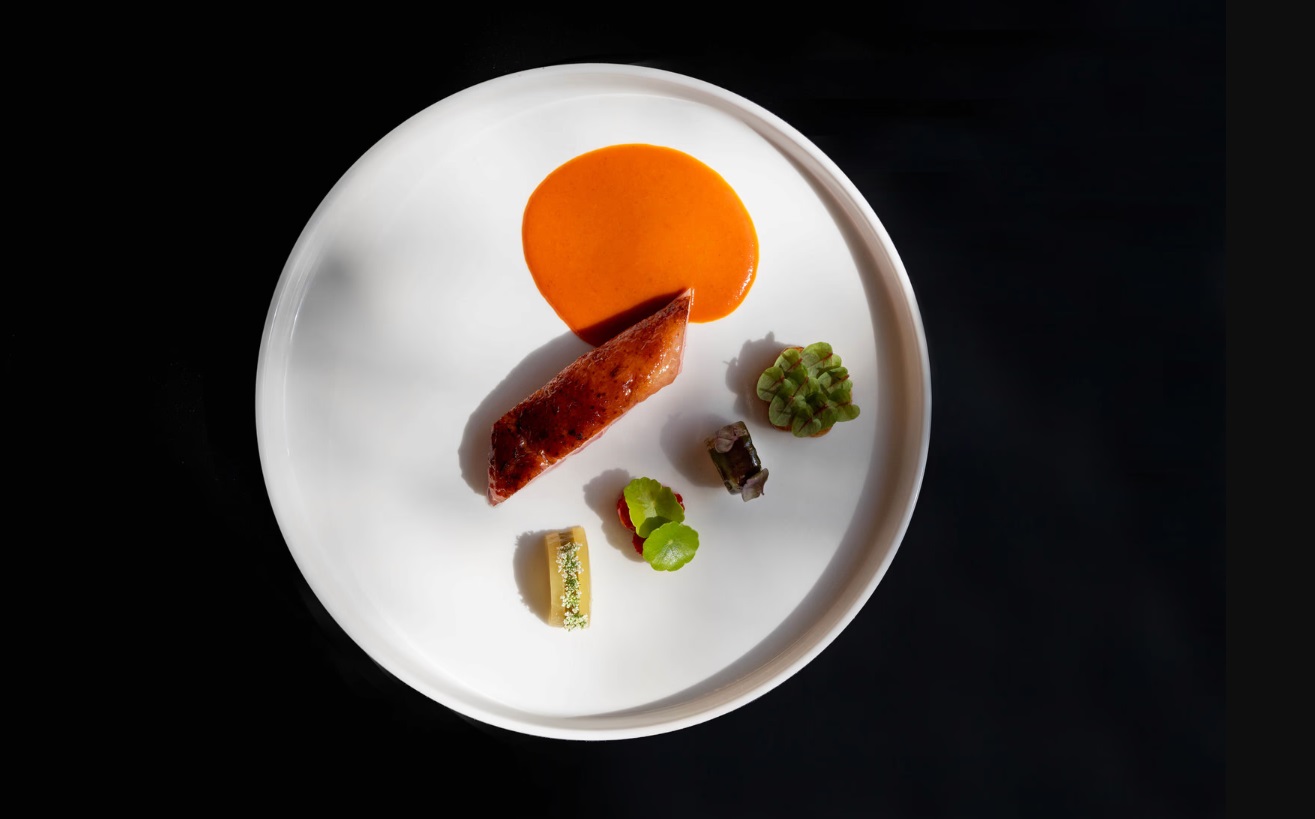
Nitan approaches fine dining through storytelling. Its seasonal tasting menu reflects the personal perspective of Chef Pom, who draws inspiration from traditional techniques and ingredients found throughout southern Thailand. The open kitchen encourages connection between the preparation and the final dish.
In Phuket Old Town, Royd offers a more intimate dining setting. With only a small number of seats available, the restaurant presents a carefully crafted tasting menu that highlights regional produce and seafood. Each course reflects the diversity of ingredients found across southern Thailand while maintaining a strong sense of place.
Phuket Redefining Thai Fine Dining
Taken together, these restaurants illustrate how the dining culture of the island has matured. Fine dining here is not about replacing traditional cuisine. Instead, it builds upon it. Chefs continue to explore local ingredients, traditional spice blends, and time honored cooking methods while presenting them through a more refined lens.
As a result, the island has developed a reputation that reaches beyond its beaches and nightlife. Visitors arrive expecting beautiful coastlines, yet many leave remembering the meals that defined their stay.
The continued growth of fine dining reflects a broader shift in how travelers experience Thailand. Food has become one of the most meaningful ways to understand culture, and the restaurants of the island play an important role in that discovery.
Through thoughtful cooking and a strong respect for tradition, these dining establishments demonstrate that the culinary story of the island is still unfolding. Each meal contributes another chapter to a journey that continues to define Phuket as one of the most exciting places to experience modern Thai cuisine.
–
Featured Image: Nahmyaa – COMO Hotels and Resorts

The Luxury Signature represents and manages reservations of the finest villa rentals in Southeast Asia, specializing in some of the most stunning destinations including the islands of Phuket and Samui in Thailand, and Bali, Indonesia.