
Phuket, the “Pearl of the Andaman,” is Thailand’s premier hub for marine exploration, offering everything from accessible shore reefs to elite offshore parks. This diverse underwater landscape drives a thriving tourism sector central to the island’s identity.
This boom is evident in Phuket’s economic success; the Ministry of Tourism and Sports reports the province led Thailand in 2024, generating approximately 497.5 billion baht in revenue.
The Best Shore Snorkeling in Phuket
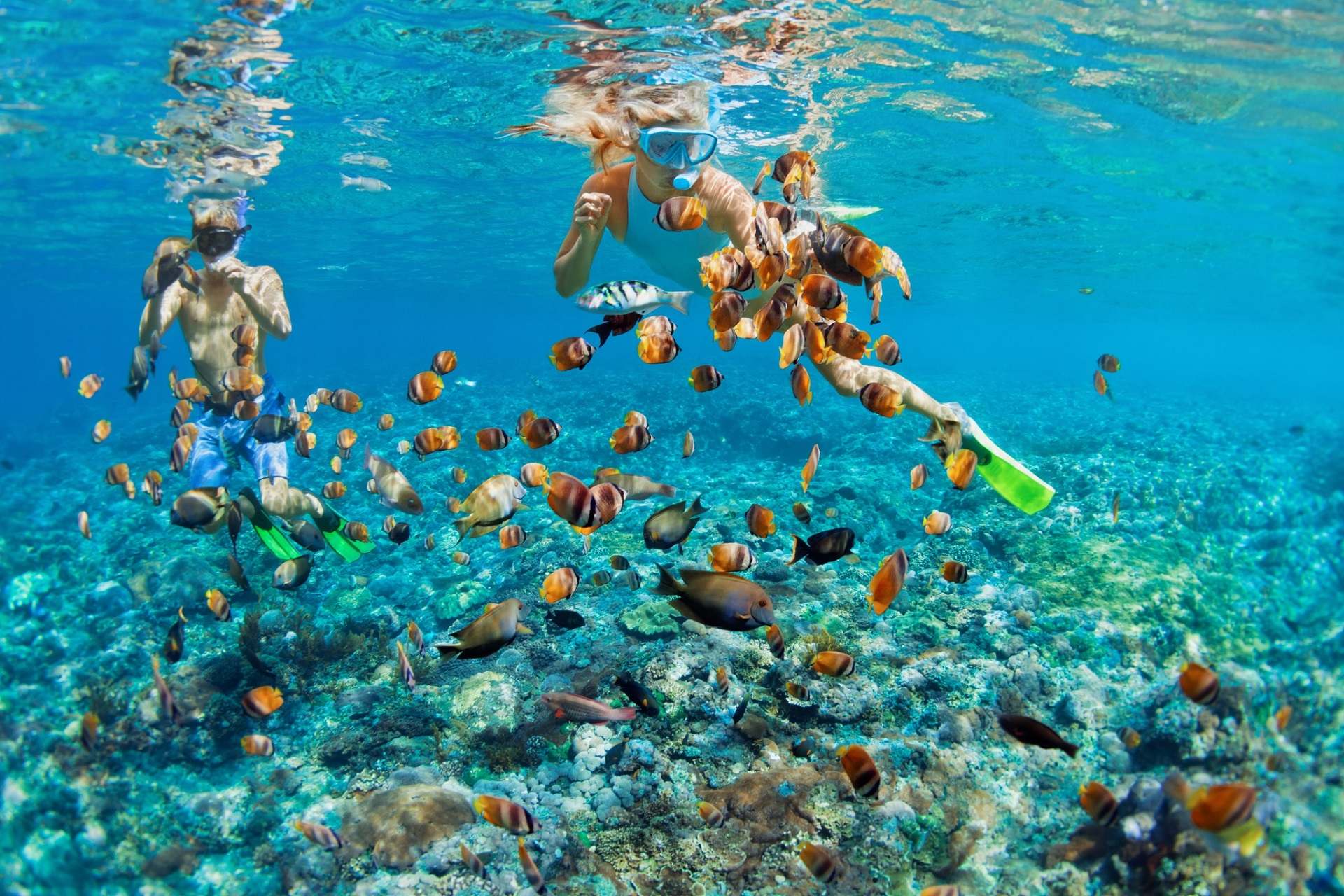
Phuket offers exceptional shore snorkeling for travelers seeking independent exploration without the constraints of boat schedules. These walk-in spots cater to all levels and are easily accessible from the sand. Ao Sane Beach, a tranquil gem near Nai Harn, features rocky reefs teeming with parrotfish and moray eels, making it a perfect retreat for those avoiding crowds. For beginners and families, Ya Nui Beach provides calm, shallow waters protected by a central rock formation that attracts a variety of vibrant reef fish.
In the central tourist hubs, Kata and Kata Noi offer accessible snorkeling around their rocky headlands, where lucky visitors often spot sea turtles during the calm high season from November to April. For those seeking a livelier atmosphere, Paradise Beach near Patong combines healthy reef systems with modern beach club amenities. These coastal locations ensure that visitors can experience Phuket’s rich marine biodiversity at their own pace.
Boat-Accessible Snorkeling Destinations
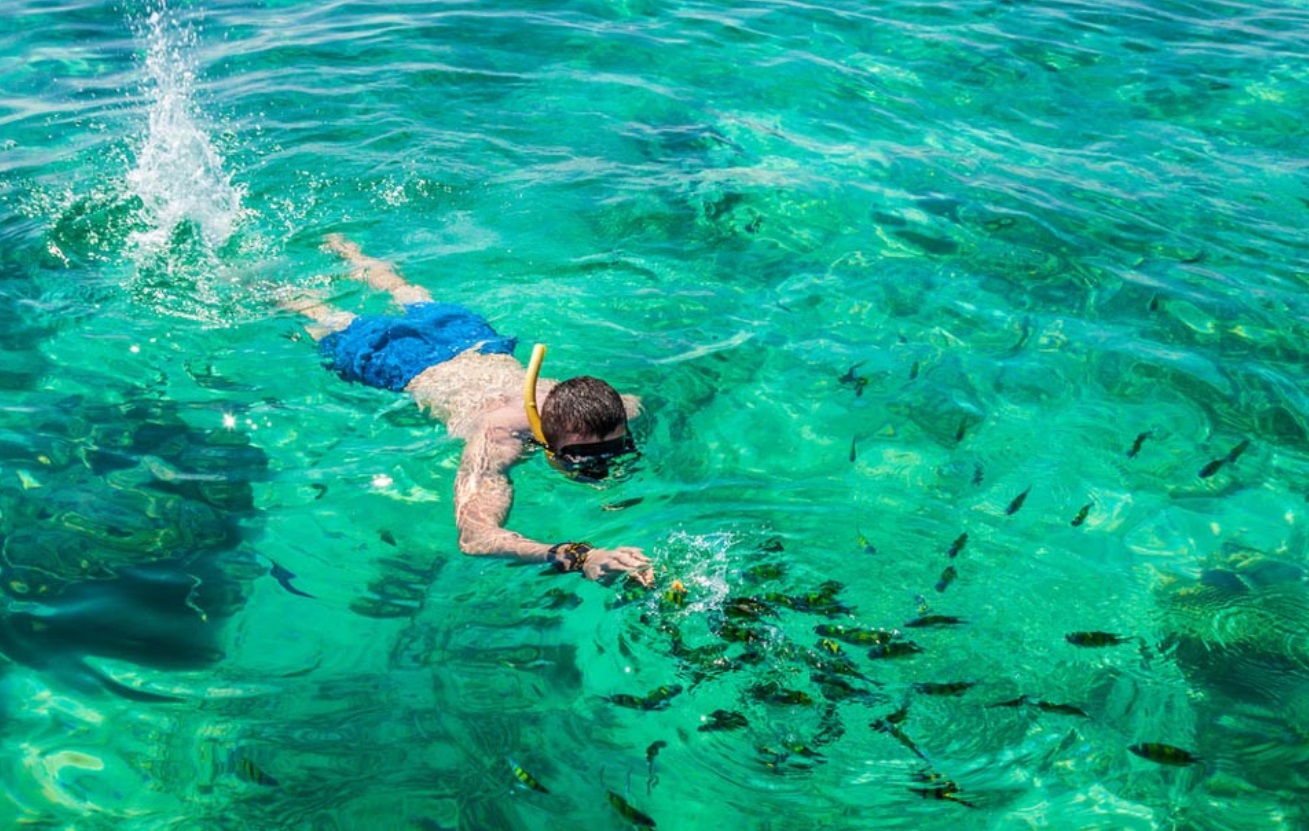
While the shoreline offers convenience, the true crystalline beauty of the region is often found a short boat ride away. Coral Island (Koh He) is perhaps the most famous nearby destination, located just 15 minutes by speedboat from Phuket’s southern coast. Its shallow reefs are densely populated with sergeant majors and damselfish, making it an excellent choice for half-day excursions.
For those seeking even better visibility, the Racha Islands (Racha Yai and Racha Noi) are unparalleled. Racha Yai features sloping coral gardens and crystal-clear water that frequently offers visibility of over 20 meters, making it a top choice for both snorkelers and those participating in scuba diving programs.
The iconic Phi Phi Islands remain a bucket-list destination for many. The limestone cliffs of Maya Bay and Pileh Lagoon provide a dramatic backdrop for snorkeling in emerald waters. Beyond the views, the area is rich in biodiversity; it is common to encounter blacktip reef sharks in the shallow bays of Koh Phi Phi Ley. For the truly adventurous, offshore reef snorkeling trips often venture further into the Andaman Sea, visiting marine sanctuaries where the reef systems are more extensive and the fish populations are significantly larger, offering a richer, more immersive experience than the busier mainland beaches.
Phuket’s Premier Scuba Diving Sites
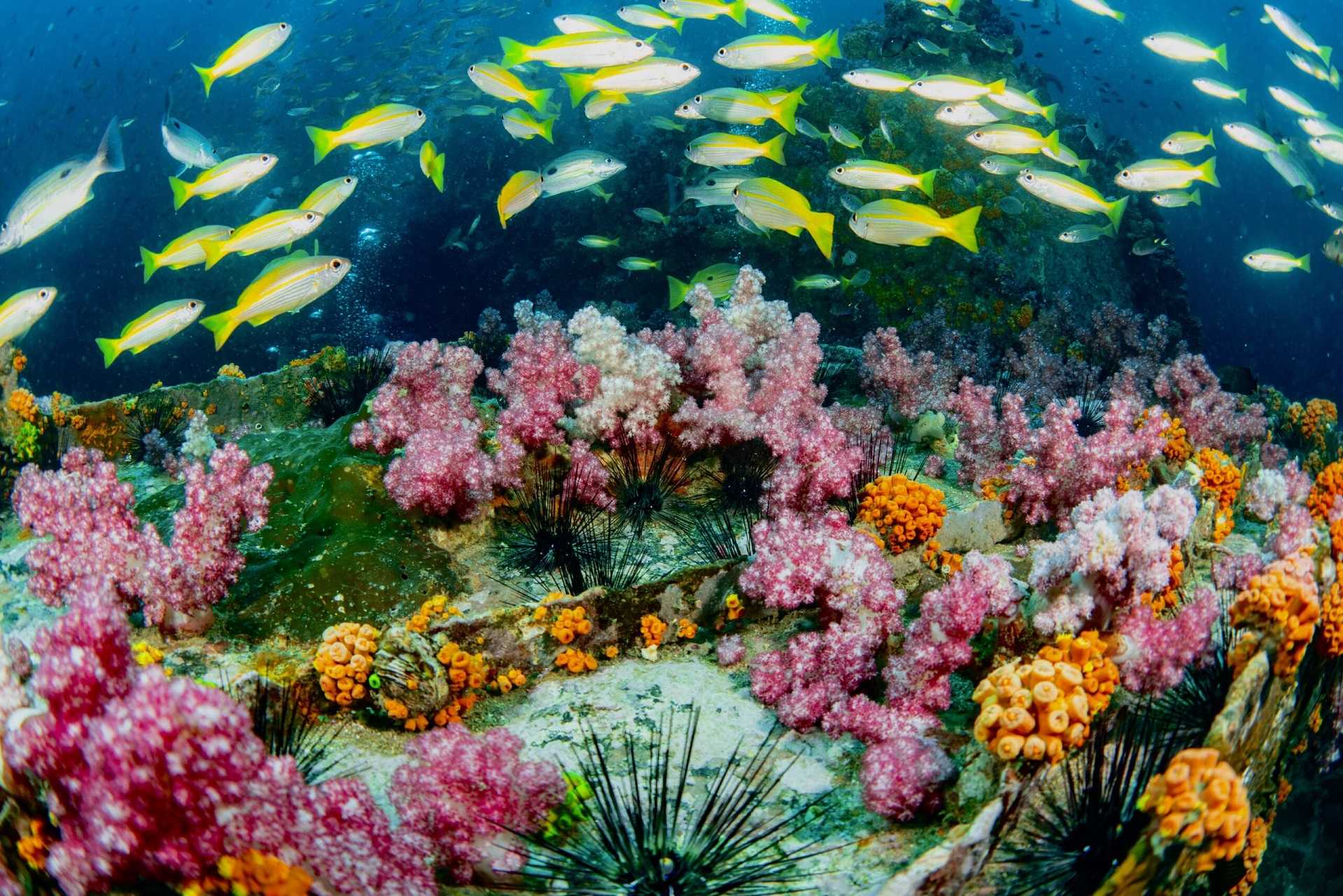
For certified divers, Phuket is the primary launchpad to some of the most celebrated dive sites in Southeast Asia. The “local” sites, typically reached via large, comfortable Phuket day trips boats, offer a variety of underwater terrain. Shark Point is perhaps the most legendary, consisting of three submerged pinnacles covered in striking purple and pink soft corals.
It is famous for its resident population of leopard sharks, which are often found resting on the sandy bottom. Due to its exposure to currents, it is generally recommended for intermediate divers.
A short distance from Shark Point lies the King Cruiser Wreck, a 85-meter passenger ferry that sank in 1997. Now resting at a depth of 32 meters, it has transformed into a massive artificial reef. The wreck is often shrouded in silver clouds of schooling snappers and trevally, while larger pelagic species like barracuda are frequently seen patrolling the perimeter.
Completing this trifecta of local sites is Anemone Reef, a submerged rock formation completely blanketed in swaying sea anemones. This site is a photographer’s dream, hosting countless clownfish (the famous “Nemo”), porcelain crabs, and ornate ghost pipefish hidden among the colorful tentacles.
Other World-Class Dive Destinations Near Phuket
Beyond the immediate vicinity of Phuket, the island serves as the gateway to world-renowned diving expeditions. The Racha Islands offer deeper walls and the chance to see larger marine life, such as manta rays, particularly at the more remote Racha Noi. For those looking for dramatic topography, the Phi Phi dive sites of Bida Nok and Bida Nai provide intricate swim-throughs, underwater caves, and vertical walls that drop into the deep blue. These sites are hotspots for hawksbill turtles and are known for their healthy populations of soft corals.
However, the pinnacle of Phuket’s diving scene is the Similan Islands, located about 85 kilometers to the northwest. This archipelago is consistently ranked among the top ten diving destinations in the world. The islands are characterized by massive underwater granite boulders that create spectacular canyons and swim-throughs.
According to seasonal data, the Similan Islands National Park attracts approximately 200,000 visitors during its limited opening season from October to May. Divers here enjoy exceptional visibility—often exceeding 30 meters—and the highest probability in Thailand of encountering majestic manta rays and whale sharks.
Marine Biodiversity and Photography
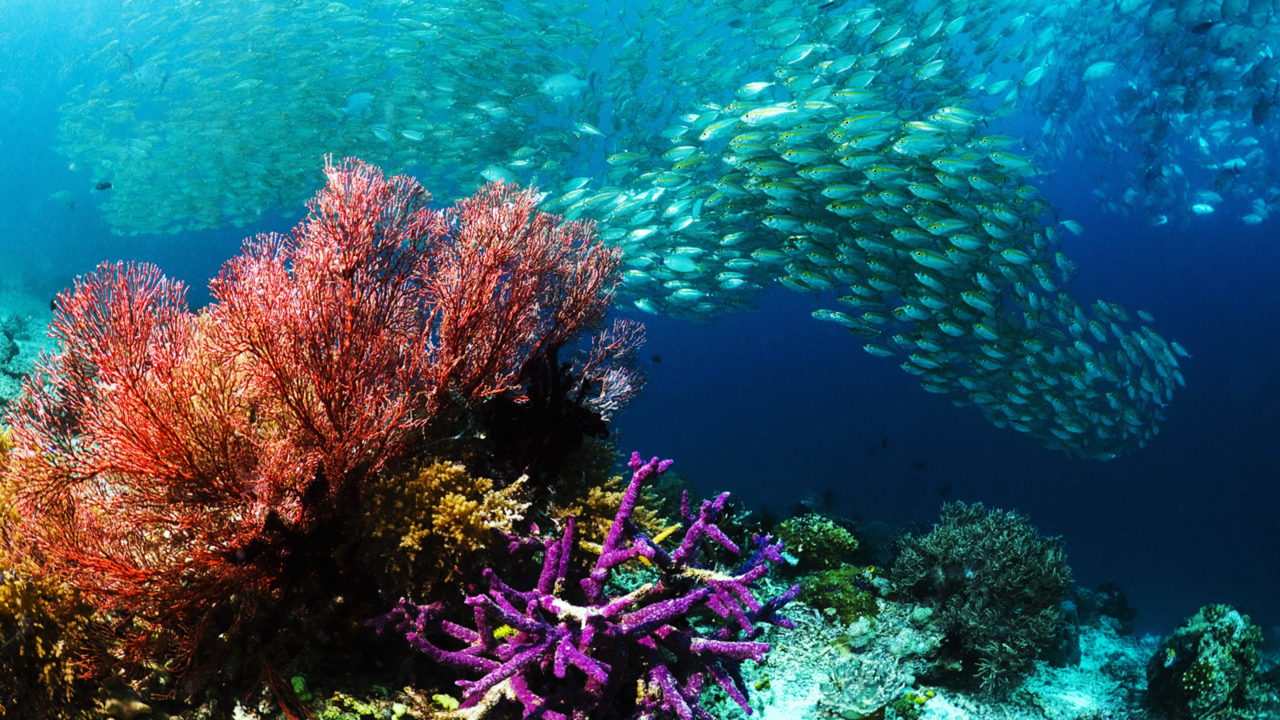
The true draw of Phuket’s waters is the sheer density and variety of its marine residents. Divers and snorkelers are treated to a kaleidoscope of tropical reef fish, including parrotfish, butterflyfish, and the strikingly patterned Moorish idol. The reefs also host various species of moray eels, octopuses, and cuttlefish that challenge the eyes of even the most observant explorers.
For those interested in the scientific health of these ecosystems, research published in PubMed Central indicates that the coral Pocillopora acuta is a dominant species around Phuket, supporting a biomass of target fish families ranging from 893 to 9,500 kg per hectare in certain protected zones.
This biological richness makes Phuket a world-class hub for underwater photography. From the “macro” wonders of nudibranchs and seahorses to the wide-angle beauty of whale sharks, there is always something to capture.
The diversity of the ecosystem is not just a tourist attraction but a significant economic driver; as noted by the University of Pretoria, global scuba diving and snorkeling activities generate between USD 8.5 billion and USD 20.4 billion annually in total economic impact, a significant portion of which flows into Southeast Asian hubs like Phuket.
Preserving the Pearl of the Andaman
Phuket remains an unparalleled destination for underwater enthusiasts, offering a rare blend of accessibility, variety, and staggering biodiversity. From the simple joy of snorkeling with reef fish at Ya Nui Beach to the adrenaline-pumping experience of diving the King Cruiser Wreck, the island provides a maritime adventure for every level of interest.
As the market continues to grow toward its USD 430.1 million valuation by 2030, the importance of responsible exploration cannot be overstated. By practicing good buoyancy, avoiding the use of harmful sunscreens, and supporting eco-conscious operators, visitors can ensure that Phuket’s vibrant reefs remain healthy for years to come.
–
Featured Image: Traveloka

The Luxury Signature represents and manages reservations of the finest villa rentals in Southeast Asia, specializing in some of the most stunning destinations including the islands of Phuket and Samui in Thailand, and Bali, Indonesia.