
Updated on September 22, 2025
Snow-capped mountains and world-famous ski resorts are a few things that come to mind when talking about Niseko. Amidst miles of spectacular skiing trails and helicopter tours, however, there are more than a dozen local onsens that form the Niseko Onsenkyo as listed by the official Niseko Tourism website. We put the spotlight on these wonders to help you relish the best onsen experience in Niseko.
Related article: Romantic Getaways in Niseko: Top Winter Activities for Couples
So What is An Onsen?
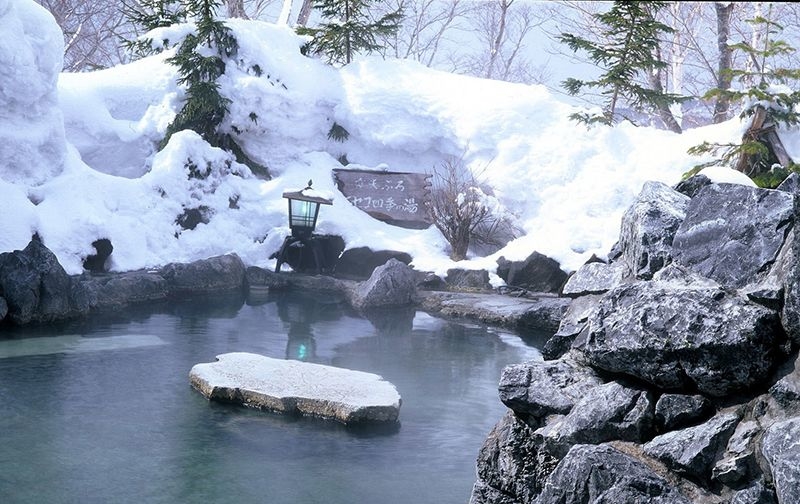
Onsens, as they are called in Japan, are naturally occurring volcanic hot springs that have become part of the country’s rich culture. In Niseko, they offer a welcome relief to strained muscles after a long day of hiking or skiing and is something you should definitely not miss during your visit.
Not every onsen is the same, as the water varies widely in terms of mineral composition based on its location, and the path through which it traverses. Besides providing a sense of relaxation, the mineral-rich water also offers a plethora of health benefits for its fortunate bathers.
Onsens in Japan can be private, public, gender-exclusive, or mixed. Regardless of which one you choose, the basic principle remains the same. You remove clothing, wash your body, and get into the hot water to let your body soak. The onsen culture in Japan fosters the egalitarian principle that says ‘once you strip of all material possessions, every individual is equal’.
Related article: Dressing for Niseko: What to Wear, Where to Buy
Health benefits of Bathing in an Onsen
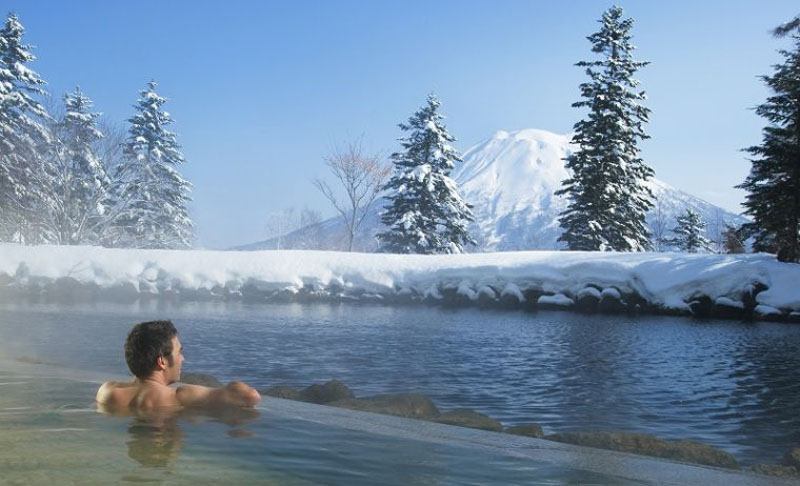
Image: Hilton Niseko Village
Interestingly, the Japanese categorize and associate the onsens with different health benefits based on the minerals found in water. For example, if the water contains sodium bicarbonate saline, the onsen is good for the skin; if it contains high amounts of sulfur, it is good for treating high blood pressure and joint pain. Here are some of the common minerals found in the hot spring water and their benefits:
- Sodium Bicarbonate saline makes your skin smooth and radiant
- Sulfur reduces high blood pressure and joint pain
- Chloride maintains body heat
- Sulfate heals cuts and bruises
- Ferruginous improves iron level in the body
- Carbon Dioxide controls conditions like high blood pressure and rheumatism
Japanese scientists have been studying the impact of hot springs on human health since the 18th century. Decades of research and documentation have shown that soaking in onsens can help people recover from different health conditions such as neuralgia, rheumatism, hypertension, and skin diseases.
Hot springs have a physiological mechanism that maintains the body temperature at a certain level, which is not achievable with plain tap water. It’s no wonder that a large number of international tourists visit onsens in Japan every year.
Related article: What Makes Niseko So Popular?
Top 4 Onsen Bath Facilities in Niseko
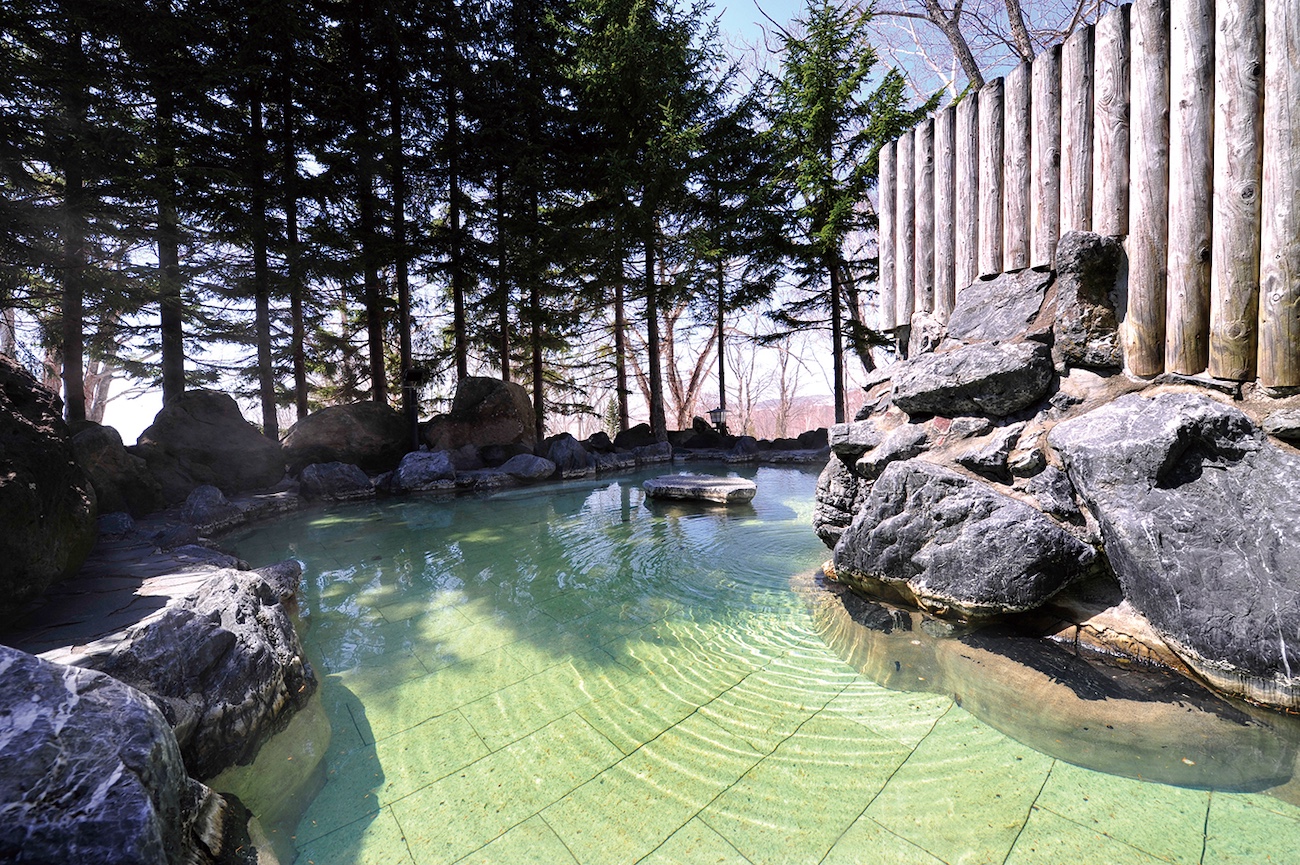
Image: Niseko Area Guide
The top onsens in Niseko offer not just soothing hot spring baths. They also provide luxurious onsen experiences that take the bathing ritual to the next level, from private indoor onsens to dinner packages and additional facilities. Note that some of these facilities require advance booking, so make sure that you contact your chalet’s Guest Experience or concierge service before making your trip.
1. Niseko Annupuri Yugokorotei
If you are seeking an experience of intimate outdoor onsen, Yugokorotei perfectly caters to your needs. This bathhouse is a part of a boutique inn in Annupuri, just a 10-minute drive from Hirafu. Situated amidst tranquil settings, this intimate onsen lets you soak in the mineral-rich water. The pool at Yugokorotei is fed by springs from Niseko and the water temperature stays about 49° Celsius.
2. Niseko Konbu Tsuraga Moku-no-sho
Located at the foot of Mount Yoteizan, the facilities at Niseko Konbu are divided into an outdoor public hot spring that’s segregated into male and female baths, and private baths that can accommodate groups. The mineral-rich water is known for its effective health benefits, and the tranquil surroundings add to the relaxing experience. The onsen also offers a combination onsen and dinner package featuring produce from Niseko’s nearby farms.
3. Ikoino Yuyado Iroha
More than just an onsen, Ikoino’s facilities provide the ultimate in relaxation, including steam baths, saunas, and massage chairs. But the hot springs themselves are the highlight, containing high numbers of silicic acid, sodium, and hydrogen carbonate. It’s no wonder that guests often call the hot springs bihada-no-yu, which in Japanese translates to “beautiful skin bath.” Additional dips in a cold bath add a refreshing finish to a relaxing hot spring experience.
4. Zaborin
Arguably the most luxurious onsen facility in the Niseko area, Zaborin offers complete seclusion amidst the untouched wilderness of Kutchan-cho. The ryokan features 15 private onsens each with an indoor and outdoor setting, with views that give new meaning to the term “forest bathing.” The waters that feed the baths are classified as ‘gensen kaikenagashi’, the highest form of hot spring water in Japan.
Related article: Dishes That Will Keep You Warm in Niseko This Winter
Etiquette to Observe When Bathing in An Onsen
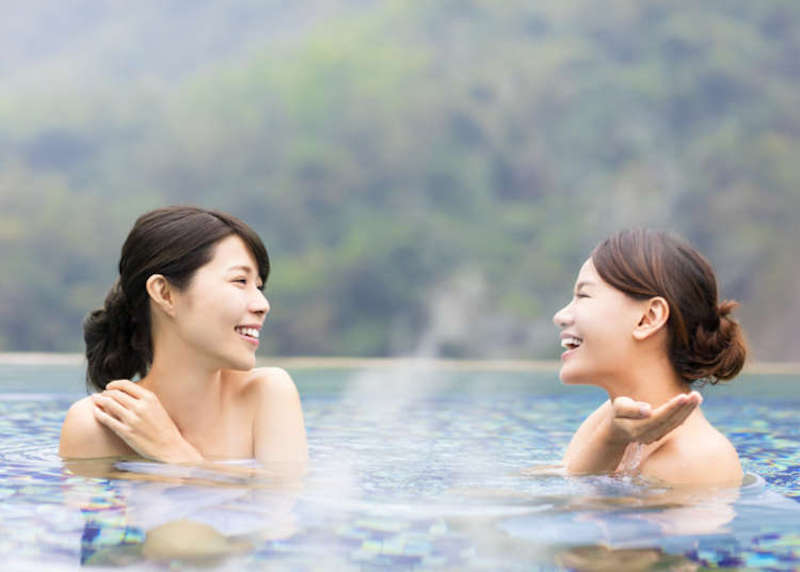
Communal onsen bathing is weaved into Japan’s way of living for centuries and the practice comes with a closely observed set of customs. To experience these gifts of nature, we should all know how to share it with respect for one another and for nature itself.
First of all, is cleanliness. Everyone is expected to wash thoroughly before entering the water; that is what the shower areas are for.
Normally, male and female are segregated into different bathing areas or by different bathing schedule. So make sure that you know where and when you belong. For women, onsen bathing during menstrual periods is highly discouraged.
Next, you have to be ready to remove all your clothing, no exception. You will be provided with a small towel which you could use in covering your privates when walking to and from the changing room, but it is important not to allow any linen to touch the water.
Once you are in the water, find a comfortable position and refrain from moving about. Just stay still and savor the experience at peace. Feel free to submerge your body all the way to your neck, but please do not dip your head into the water especially your hair. Tie your hair neatly before entering the water.
Many onsens also do not allow people with tattoos to bathe, but you can try to ask for a private bath or a private session. You may be tempted to take a selfie to share your experience with everyone at home. But for obvious reasons, you have to resist the thought, unless you are enjoying a private bath.
Related article: Japanese Etiquette You Should Know Before Going on a Trip to Niseko
Experience The Benefits of Soaking in A Niseko Onsen
The main benefits of the onsen experience in Niseko go beyond health and wellness. Whether you’re sharing a private room with your friends and family, or joining the public hot springs, you will discover a wholly different understanding of Japanese culture through their bathing customs. All it takes is a greater understanding of how to enjoy an onsen in a respectful yet relaxing manner.
If you are planning to visit the Aspen of the East, our premium collection of luxury chalets in Niseko offers the perfect respite and complete exclusivity. The best part? Our Guest Experience services will gladly make arrangements for you so you can have a relaxing and hassle-free onsen experience during your stay.
Enjoy more of Japan’s premier winter destination with our Niseko Travel Guide.
–
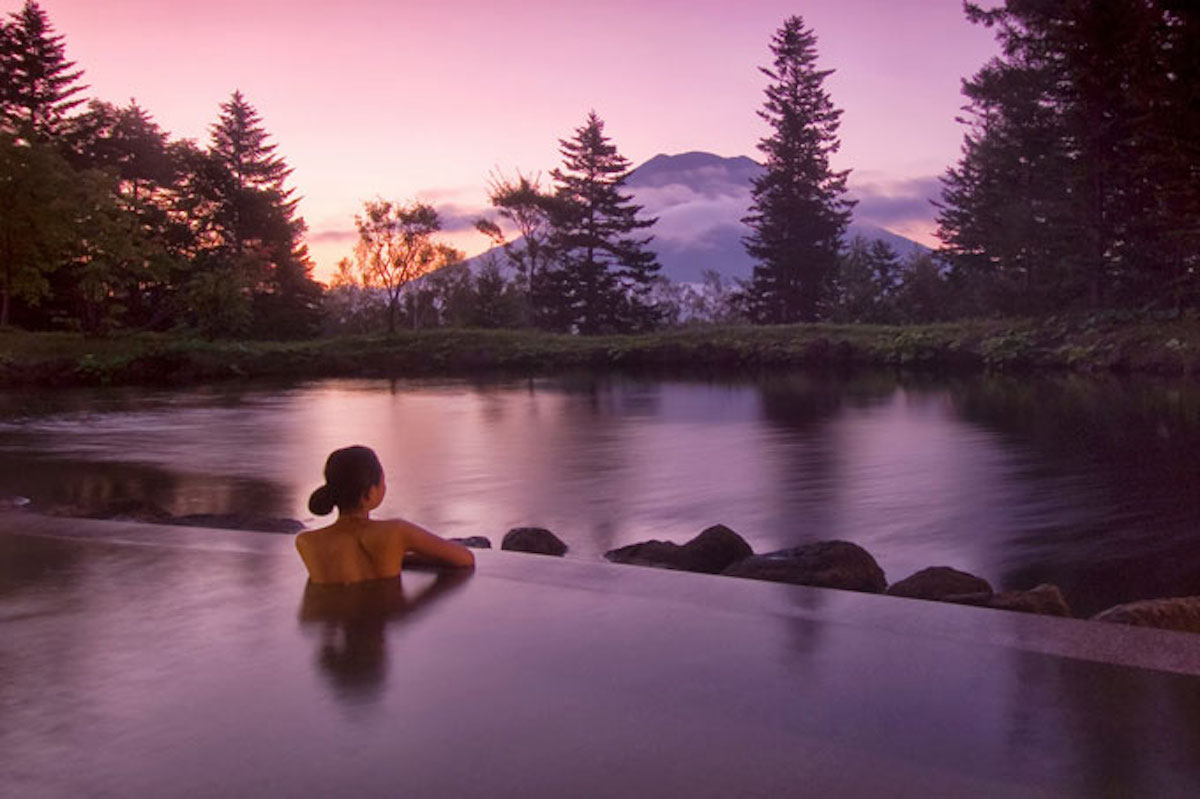
Featured Image: Hilton Niseko Village

The Luxury Signature represents and manages reservations of the finest villa rentals in Southeast Asia, specializing in some of the most stunning destinations including the islands of Phuket and Samui in Thailand, and Bali, Indonesia.