 Premium Collection
  Signature Collection
  Deluxe Collection
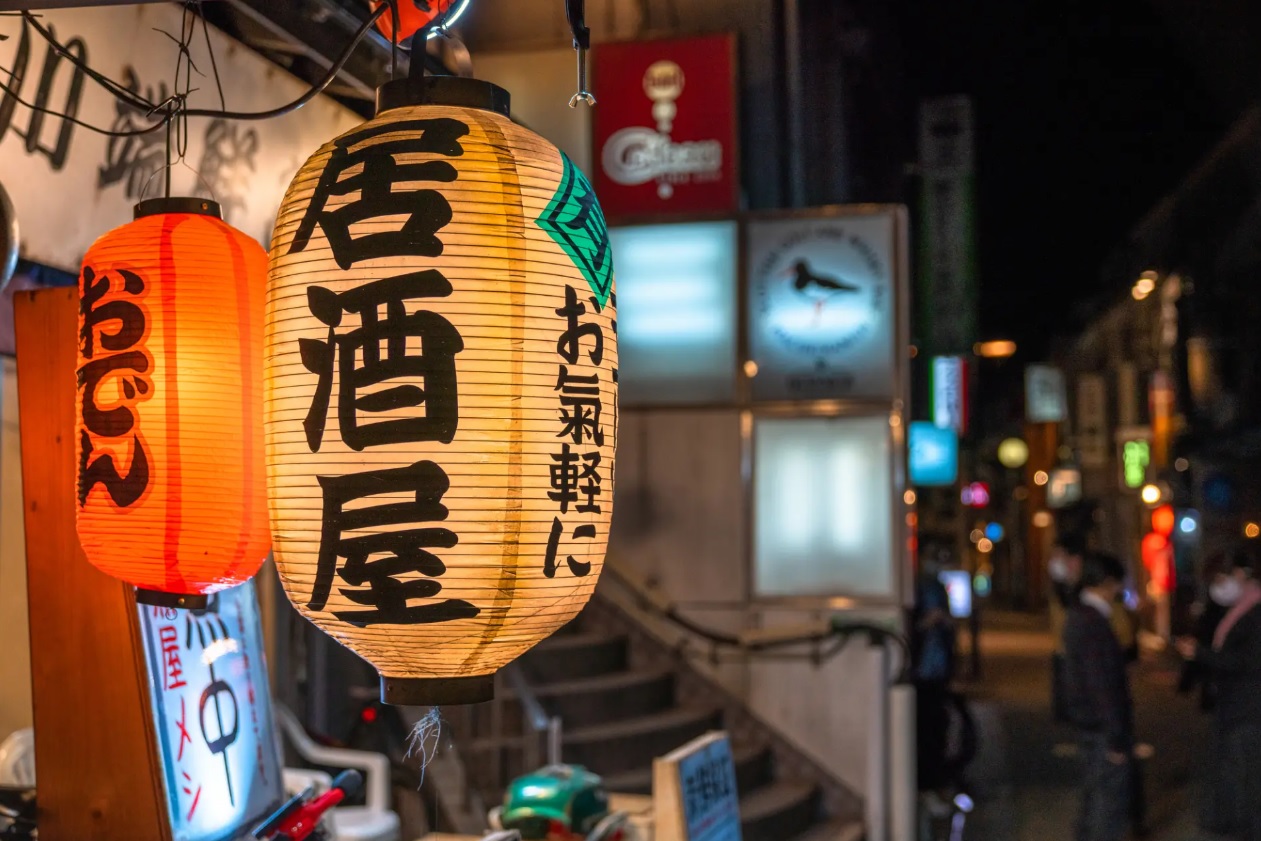
In Japan, an izakaya is a casual pub-style eatery where people gather for drinks and small shared plates. The concept traces back to the Edo period, when sake shops began letting customers sit and drink on-site. These simple bars gradually evolved into social taverns serving dishes like yakitori, grilled seafood, and seasonal vegetables—food meant to complement beer, sake, or shochu. By the 20th century, izakayas had become a core part of everyday Japanese dining culture.
As the izakaya tradition spread nationwide, it naturally found its way to Hokkaido and later to Niseko, especially as the town grew into an international ski destination. Today, Niseko’s izakayas offer warmth, comfort, and a sense of authenticity after a day on the slopes. With around 80 establishments listed in the wider Niseko & Rusutsu area, they remain one of the most popular and accessible dining choices for both locals and travelers—an experience every visitor should include in their stay.
In this article, we’ll walk you through the izakaya experience in Niseko, what traditions remain, how the scene has adapted to tourism, and why any visit to Niseko, skiing or not, should include an evening in a true Japanese izakaya.
What to Expect at an Izakaya

When you walk into an izakaya, you can expect an atmosphere that’s relaxed yet lively. The menu often features small plates meant for sharing. In a traditional izakaya, you might find freshly caught Hokkaido seafood, such as sashimi, grilled hokke, shellfish, alongside grilled meats, skewers, and hot-pot (nabe) dishes – one of the popular heartwarming Niseko dishes for winter. In the Niseko region, this remains true. For example, at one favorite spot, guests rave about fresh yellowtail sashimi and pork skewers.
In a typical sequence, you arrive, and you may be welcomed with hot towels (a sign of hospitality). You order drinks, often beer or sake, and then pick from the small plates, ordering two or three dishes at a time rather than one big meal. Plates arrive in succession as they are prepared, rather than all at once. Running tabs are common: you order, the waiter tallies your drinks and plates, and you settle at the end of the evening.
Popularity of Izakayas in Niseko
With Niseko’s rise as an international ski and resort destination, its dining landscape now spans from sleek cafés to upscale restaurants. Yet even in this luxe setting, izakayas remain a cherished choice for both locals and visitors craving a more grounded, social evening. While many izakayas are casual, a few lean toward the high-end: Kumo Restaurant on Grand Hirafu offers a refined Izakaya experience at night, grounded in premium Hokkaido ingredients. AKARU, tucked in Hirafu, fuses seasonal hot-pots and sashimi with artful presentation and a curated sake and wine list.
These elevated izakayas still feel intimate and unpretentious—and are perfect for unwinding after a day on the slopes. You’ll find comforting tapas-style plates, local sake, and warm hospitality in a setting that’s more soulful than polished. Their enduring popularity reflects how deeply izakayas are woven into Niseko’s social fabric—and how even among premium dining options, this tradition continues to shine.
Variety and Adaptation

In Niseko, you’ll find a wide variety of izakayas. Some aim to be as traditional as possible, from small tatami rooms to counter seating next to the kitchen, only Japanese-language menus, and a limited selection of drinks. Others have adapted more strongly to the international tourist crowd.
Menus in English
One clear adaptation: menus in some izakayas include English translations; some staff speak English. However, not all do. It’s wise to check ahead, especially in winter peak season, to confirm whether the establishment supports English-speaking guests. Some visitors report that even the basics will be met with a friendly attempt, but the finer points of ingredients or dietary requirements may be more challenging.
Pace and Service

Another adaptation is in the pace and service. Traditional izakayas emphasize the rhythm of ordering and enjoying dishes as they are cooked, rather than all at once. In Niseko, some modern-style izakayas permit you to order many plates and have them delivered together, which appeals to large groups and visitors used to a more Western dining model. That said, if you prefer a truly traditional rhythm, order in small batches, pause between dishes, talk, drink, and enjoy the flow; it is still very possible.
Variety of Cuisine
In terms of cuisine, while typical offerings remain seafood, grilled meats, and hot pots, some izakayas in Niseko have introduced plant-based dishes, fusion items, or larger servings to appeal to international groups. For example, a menu might feature vegan yakitori, or more generous sharing plates rather than strictly small plates. These adaptations help broaden appeal without losing the core izakaya identity.
Traditions That Endure
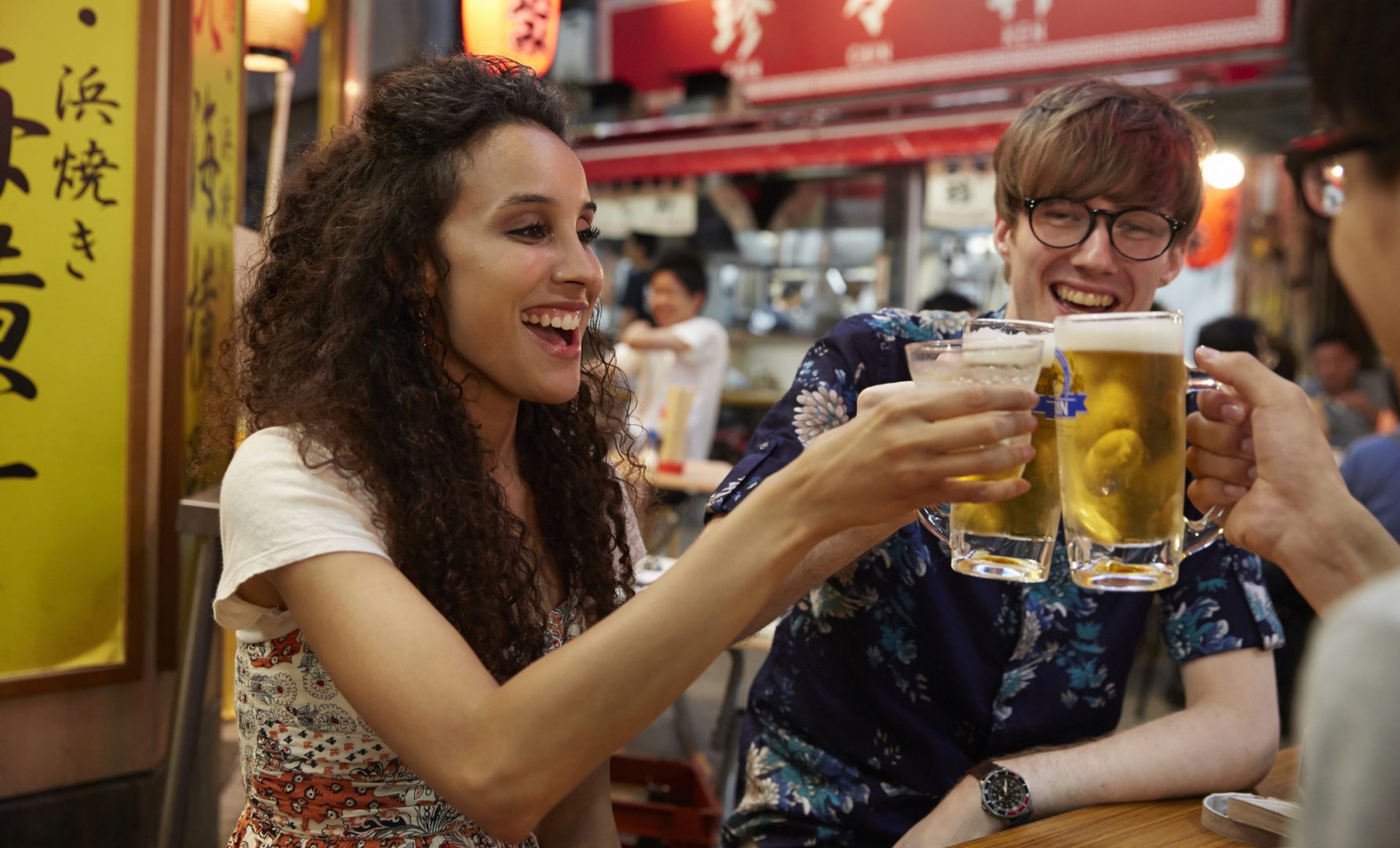
Many of Niseko’s izakayas continue to embrace long-standing traditions, even as the town has evolved into an international resort destination. Some of the most character-filled establishments still offer only 20–30 seats, fostering a warm, intimate environment where guests gather around counters or small tables. Drink selections also stay true to the roots of the izakaya experience, with simple offerings such as beer, local sake, and the occasional shochu, rather than the extensive menus found in fine dining restaurants. These choices preserve the tavern-like atmosphere that defines an izakaya. The Japanese concept of omotenashi (hospitality) is evident from the moment guests are welcomed with hot towels and friendly greetings, reflecting a thoughtful approach to service that emphasizes care and anticipation of needs.
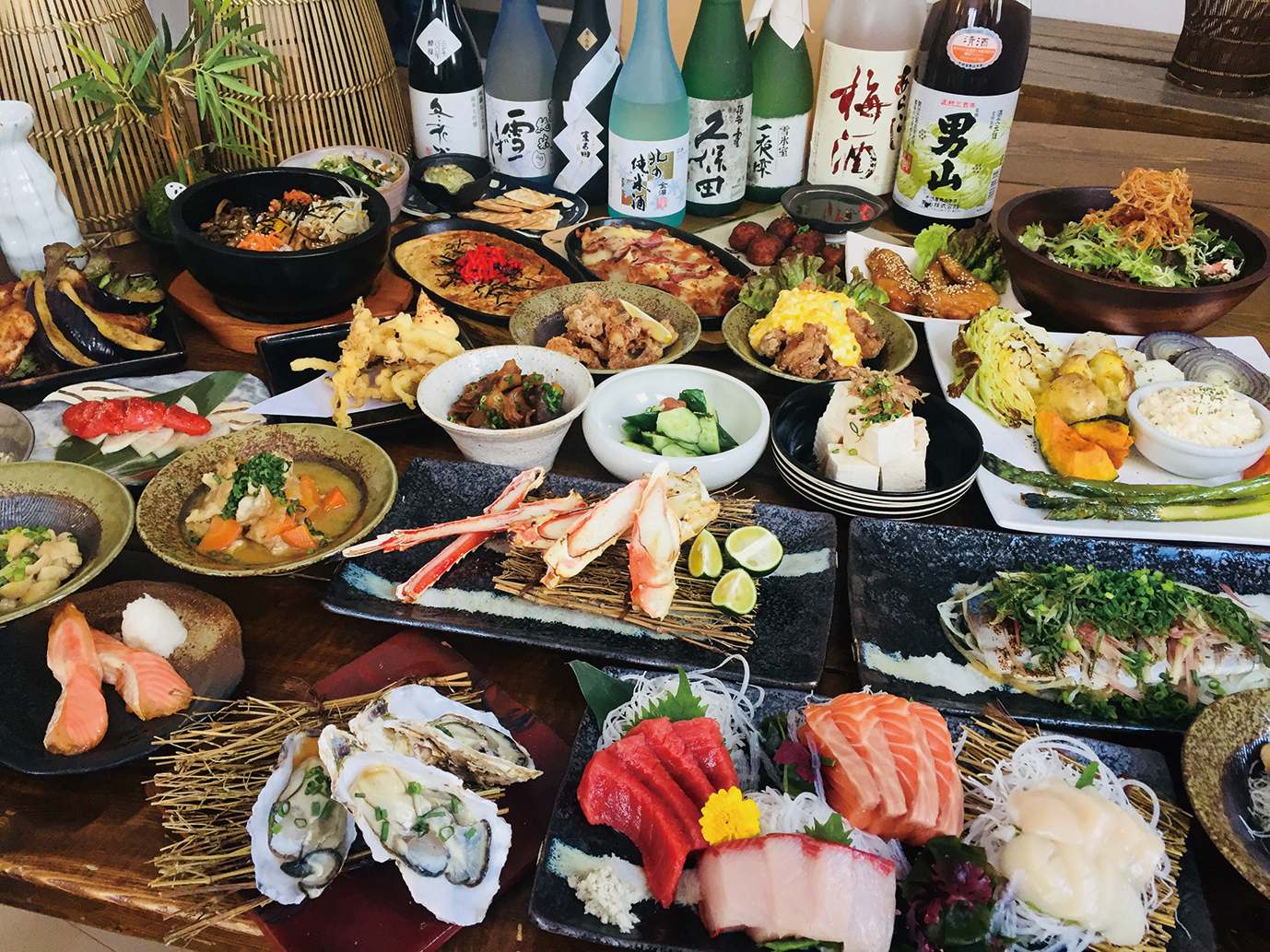
Traditional food rituals also endure. Hot-pot dishes remain a staple during the colder months, offering warmth and comfort while encouraging guests to share and linger. The rhythm of dining follows a relaxed pattern: small plates are ordered gradually, allowing diners to enjoy a steady flow of flavors throughout the evening rather than a structured three-course format. Most izakayas operate on a running tab, which further promotes an unhurried, social atmosphere—one where conversation, good food, and simple pleasures take center stage.
A Must-Experience Slice of Niseko Culture
Izakayas hold a long-standing place in Japan’s culinary history as social, informal taverns where food, drink, and conversation come together. In the unique resort context of Niseko, they serve as a welcome alternative to the typical apres ski bar scene. After a day on the slopes or exploring the town, settling into a local izakaya offers something more genuine: fresh Hokkaido produce, a friendly bustle, and a chance to connect with both local culture and fellow travelers.
If you’re staying in one of the area’s plush Niseko chalets or other types of lodgings, do factor in an evening at an izakaya. It doesn’t require formal attire or a reservation at a fine-dining house. What it does offer is a taste of local dining rhythm, smaller plates, sake, grilled skewers, and a convivial atmosphere. For many visitors to Niseko, that evening ends up being one of the highlights.
–
Featured Image: www.gltjp.com

The Luxury Signature represents and manages reservations of the finest villa rentals in Southeast Asia, specializing in some of the most stunning destinations including the islands of Phuket and Samui in Thailand, and Bali, Indonesia.