
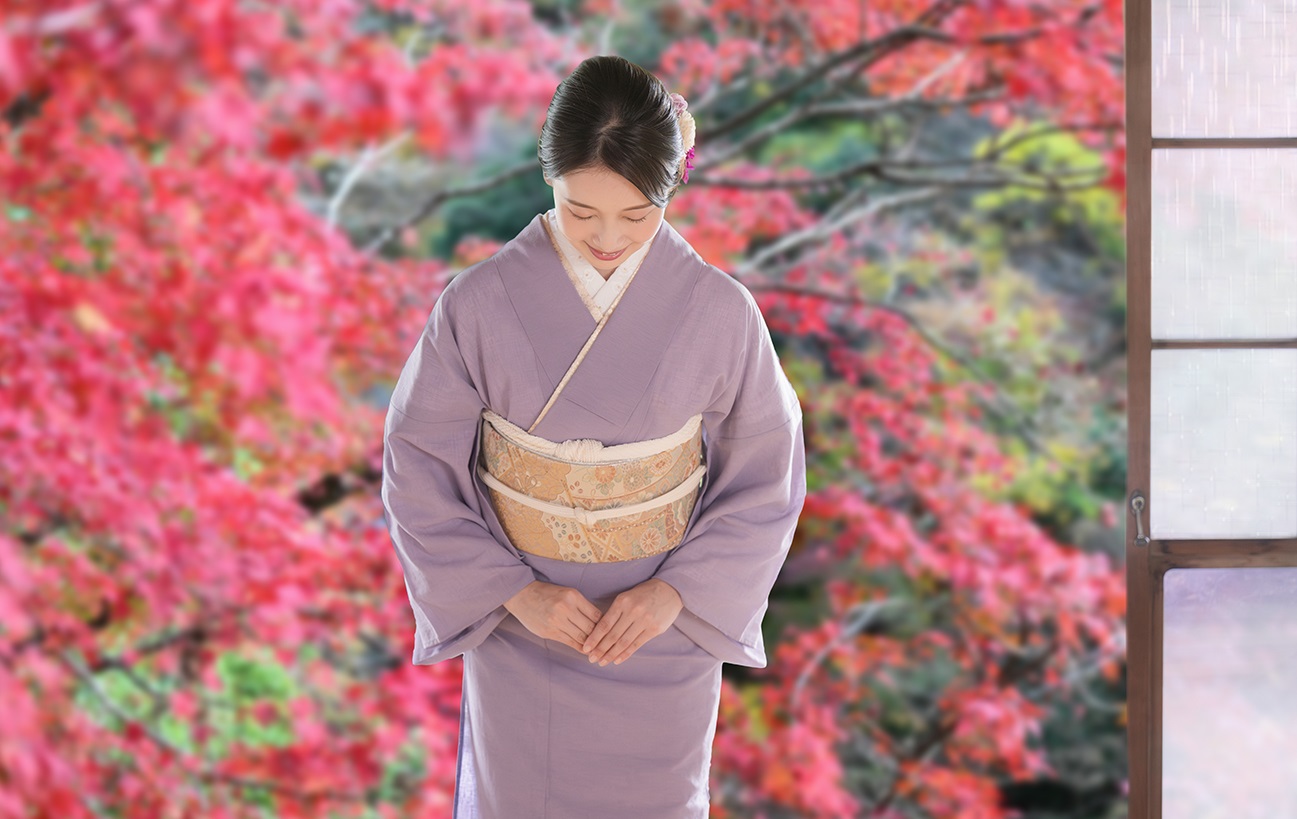
There’s something different about how Japan welcomes you. It’s quiet, sincere, and often wordless. Before you even think to ask, someone has already anticipated what you need. A towel appears when you’re cold, tea arrives just when the room falls silent, or a door opens as you step toward it. This attentiveness isn’t a coincidence. It’s the living expression of omotenashi, Japan’s distinct philosophy of hospitality.
What is Omotenashi?
Omotenashi is more than service; it’s an art of noticing. The idea traces back to Japan’s tea ceremony, where every motion, from arranging flowers to placing a teacup, carries meaning. The goal isn’t grandeur but harmony. The guest’s comfort comes first, and the host’s role is to create that feeling without calling attention to the effort.
Across Japan, omotenashi has become the foundation of hospitality. From family-run inns to fine dining restaurants, it shapes how service is delivered: quietly, efficiently, and with an eye for detail.
Nowhere does omotenashi come to life more vividly than in Niseko, Hokkaido’s celebrated winter retreat. Known for its pristine powder snow and cosmopolitan mix of visitors, Niseko blends the best of global travel with Japan’s deep-rooted culture of care. Here, hospitality extends far beyond luxury chalets or resorts. It lives in the gestures, routines, and small details that define daily life in town.
The Many Ways Omotenashi is Expressed in Niseko
Reports from ochijapan.com show the record-breaking tourist numbers Niseko experienced between December 2024 to March 2025, with over 11.3 million lift and gondola rides, marking a 13.5% year-on-year increase. This goes to show the appeal of the region for winter tourists, who visit the ski resorts not just for the perfect snow, but also for its warm hospitality.
From restaurant service to the ski slopes, to private transportation, and in your very own chalet, omotenashi is ever-present in Niseko.
Restaurant Service
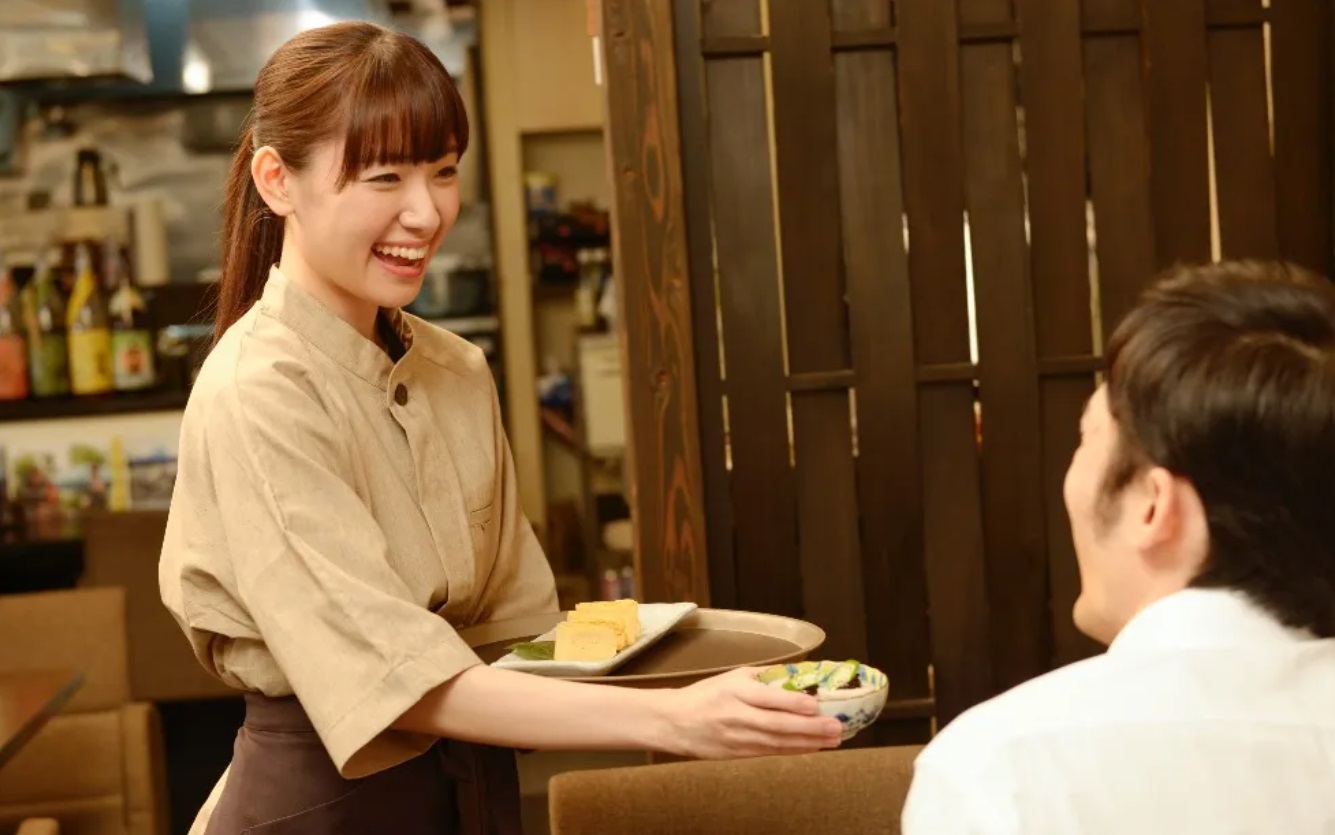
Step into a restaurant in Niseko, and you’ll feel it right away. The host greets you with a bow, warm towels are laid before you, and tea is served as a quiet welcome. These small courtesies are more than a habit; they are moments of calm that mark the start of a shared experience.
Chefs in Niseko, whether they’re preparing kaiseki, ramen, or a bowl of miso soup, approach their craft with precision. Each ingredient is placed with intention, every color and aroma considered. It’s not about presentation alone but about balance: taste, temperature, and timing aligning perfectly. Even in casual izakayas, you’ll notice that service moves with an easy rhythm. Plates appear at the right pace, conversations flow undisturbed, and nothing ever feels rushed.
This quiet choreography creates a kind of intimacy between staff and guests. You’re cared for, but never hovered over.
Private Transportation
The care doesn’t stop once you step outside. In Niseko, even transportation carries traces of omotenashi. Drivers of private cars and taxis often open doors for their passengers, ensure the cabin is warm, and assist with luggage before you can ask. These gestures are subtle but meaningful, small signs of respect that define how locals see hospitality.
During heavy snowfall, it’s common to see a driver clearing a small path for guests or waiting patiently as they adjust their gear. These acts aren’t expected; they are simply part of how things are done.
Ski Slopes

Omotenashi also shapes life on Niseko’s famous ski slopes. Instructors at resorts like Grand Hirafu and Hanazono are trained not just in skill but in empathy. Many speak multiple languages, learning enough to make guests from around the world feel at home.
Even in crowded lift lines or busy lodges, there’s an unspoken courtesy. People make space, greet each other, and keep the atmosphere light. The result is a ski town that feels as welcoming as it is beautiful.
Japanese Gifting Customs
Away from the slopes, omotenashi continues in the simplest encounters. Step into a convenience store, and you’ll notice how every item is handled carefully, how purchases are wrapped neatly, even when it’s just a snack or a drink. Shopkeepers often add a small touch, like a sticker, a ribbon, or a complimentary token for travelers to take home. It’s a modern expression of omiyage, Japan’s gift-giving tradition that emphasizes thoughtfulness over value.
In boutique shops, staff take the time to explain products, offer samples, or share local insights. The goal isn’t to sell, but to create a moment of connection. This respect for the guest’s experience is part of what makes Niseko’s service culture so distinct.
Accommodations
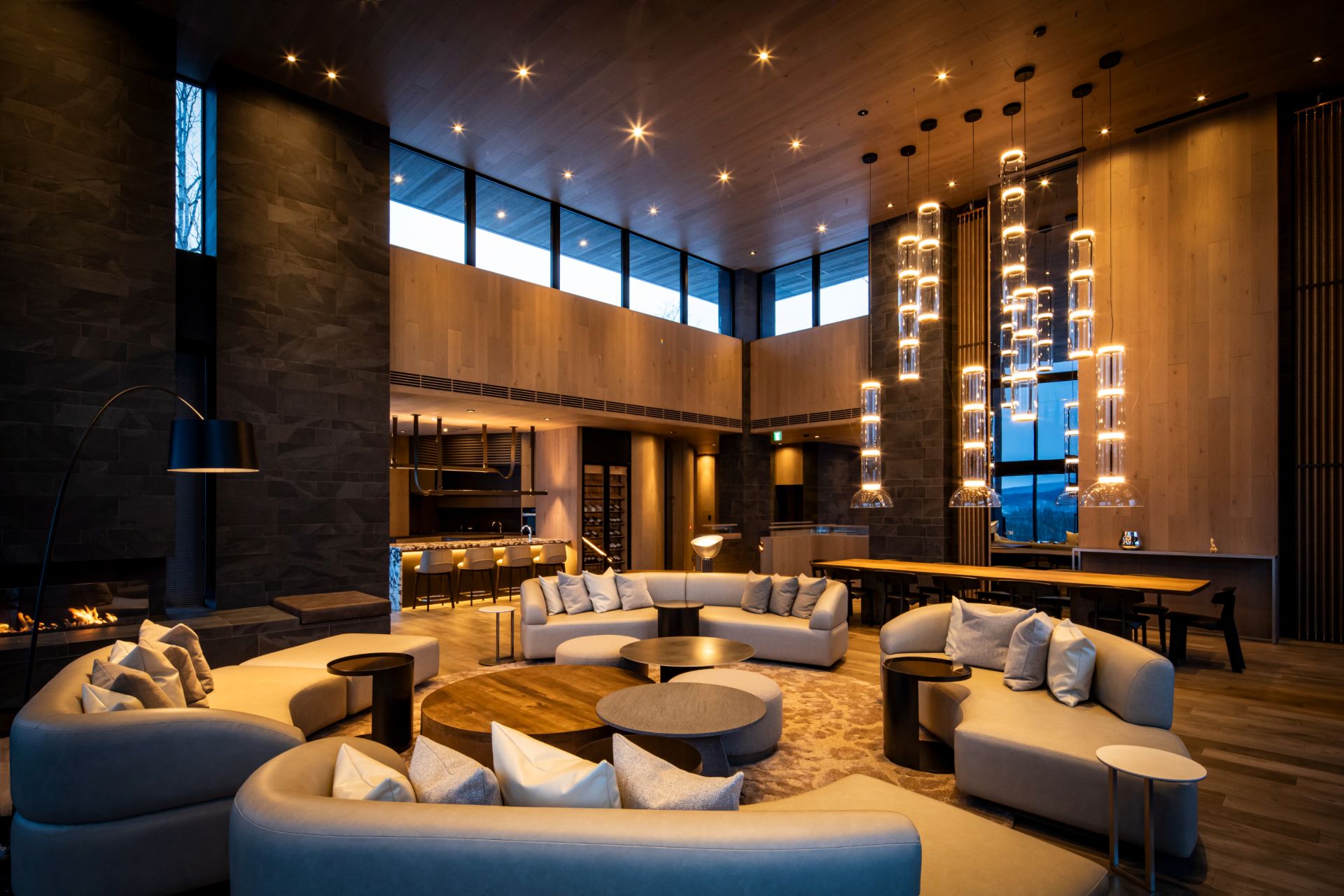
The culture of omotenashi can also be experienced in the different accommodations all over Niseko. This ensures that all guests will feel the warm of the place from the staff to the different amenities that would make their stay memorable.
Similarly, luxury chalets in Niseko, one of the 3 types of accommodations you can book, reflect omotenashi in their design and service philosophy. Many properties managed by specialists are crafted to feel like private homes, complete with details that anticipate a guest’s comfort.
Each bathroom is stocked with fresh towels, toiletries, and slippers. Kitchens come equipped with essentials, and ski rooms include drying spaces for gear. Chalets don’t typically include in-house staff, yet guests rarely feel unattended. That’s because hospitality begins long before arrival.
Guest Experience teams coordinate every detail, from airport transfers to restaurant reservations or personalized activity plans. When guests walk through the door, the house is warm, the lights are on, and the stay begins effortlessly. It’s omotenashi translated into modern travel: discreet, elegant, and deeply human.
Everyday Encounters
Omotenashi isn’t limited to formal service. It’s in how people interact and how they look out for each other. In Niseko, locals might stop to help a visitor find their way, offer directions, or share recommendations for their favorite ramen spot. During winter festivals, volunteers greet guests with tea or snacks, creating a sense of community that extends beyond the resorts.
This collective kindness turns hospitality into something more than service. It becomes a shared value, one that defines the rhythm of life in a small but world-famous town.
Where Warmth Outshines the Snow
For those who visit Niseko, omotenashi often becomes the memory that lingers. It’s not just about comfort or luxury but about being seen and understood without needing to speak. In an age when much of travel feels hurried or transactional, Japan’s approach offers something different: hospitality as a quiet dialogue between people.
In Niseko, that dialogue is constant, from the first greeting to the final farewell. The snow may draw travelers in, but it’s the warmth of the people that brings them back.
To truly experience omotenashi, consider staying in one of the stunning Niseko luxury chalets, where every element, from planning your arrival to the smallest daily detail, is shaped by a philosophy that turns care into an art form.
–
Featured Image: KCP International

The Luxury Signature represents and manages reservations of the finest villa rentals in Southeast Asia, specializing in some of the most stunning destinations including the islands of Phuket and Samui in Thailand, and Bali, Indonesia.